The Watershed Alliance
Every story Glen has curated. Each one reviewed. Each one citable.
150 items across 7 categories
Scientists doing groundbreaking water research are often isolated from public discourse. Glen shows how to reach them through publications, LinkedIn, academic networks, and conferences.
Read research brief →
Glen daily water protocol: morning hydration timing, optimal daily intake by body weight, mineral supplementation schedule, and how to build living water habits that stick. Practical and actionable.
Read research brief →
Washington, DC
National org advancing equitable water solutions. Connects utilities, government, and communities around a One Water vision — every drop managed as a shared resource.
Read research brief →
New York, NY
Global network of 350+ citizen-powered watchdogs protecting rivers, lakes, and coastal waters from pollution. The boots-on-the-ground water protection network.
Read research brief →
The water story is too important to keep to yourself. Glen shows how to start conversations, identify who cares about water quality in your network, and build local advocacy circles that create ripple effects.
Read research brief →
Kansas City, USA (HQ)
Innovative model providing small loans to families in developing countries to build home water connections and toilets
Read research brief →
Washington, DC
CEO of water.org. Pioneered the WaterCredit microfinance model that has given 60M+ people access to safe water by turning aid into affordable loans.
Read research brief →
Ethiopia
Feature documentary following Charity: Water founder Scott Harrison journey to bring clean water to a remote Ethiopian village. Documents the complete process from fundraising to well construction and the transformative impact on the community.
Read research brief →
London, UK
International org working in 28 countries on clean water, sanitation, and hygiene. Publishes the annual "State of the World's Water" report.
Read research brief →
Los Angeles, CA
2.2 million Americans lack running water. DigDeep works with Navajo Nation and rural communities to build household water systems — making the domestic water crisis visible.
Read research brief →
Los Angeles, CA
Co-founded water.org with Gary White. Uses global platform to make the water and sanitation crisis visible — one of the highest-profile advocates for equitable water access.
Read research brief →
Glen personal story: chronic health issues no doctor could explain, discovery that water quality was the root cause, and the transformation that followed. Everyone has a water story — Glen is inviting the world to share theirs.
Read research brief →
Denver, CO
International org working toward universal water access with an "Everyone Forever" sustainability model. Operates in 9 countries with community-owned infrastructure.
Read research brief →
New York City, USA
Non-profit proving that 100% donation model with GPS tracking can restore trust in charitable giving
Read research brief →
Water connects every health issue — contamination, chronic disease, environmental justice, climate, nutrition. IDLW curates and amplifies these connected stories at global scale.
Read research brief →
Oakland, CA
Oakland-based water research think tank producing independent peer-reviewed research on global water challenges, drought resilience, and water-climate intersections.
Read research brief →
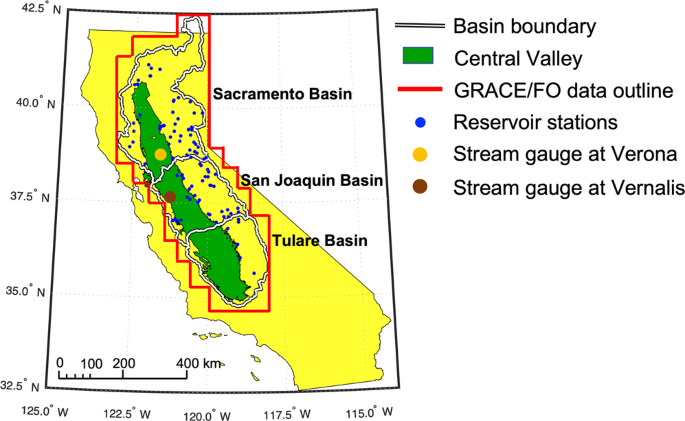
Central Valley, California, USA
NASA data shows Central Valley aquifers dropping at unprecedented rates
Read research brief →
EPA January 2025 draft risk assessment for PFAS in sewage sludge applied to farmland
Read research brief →
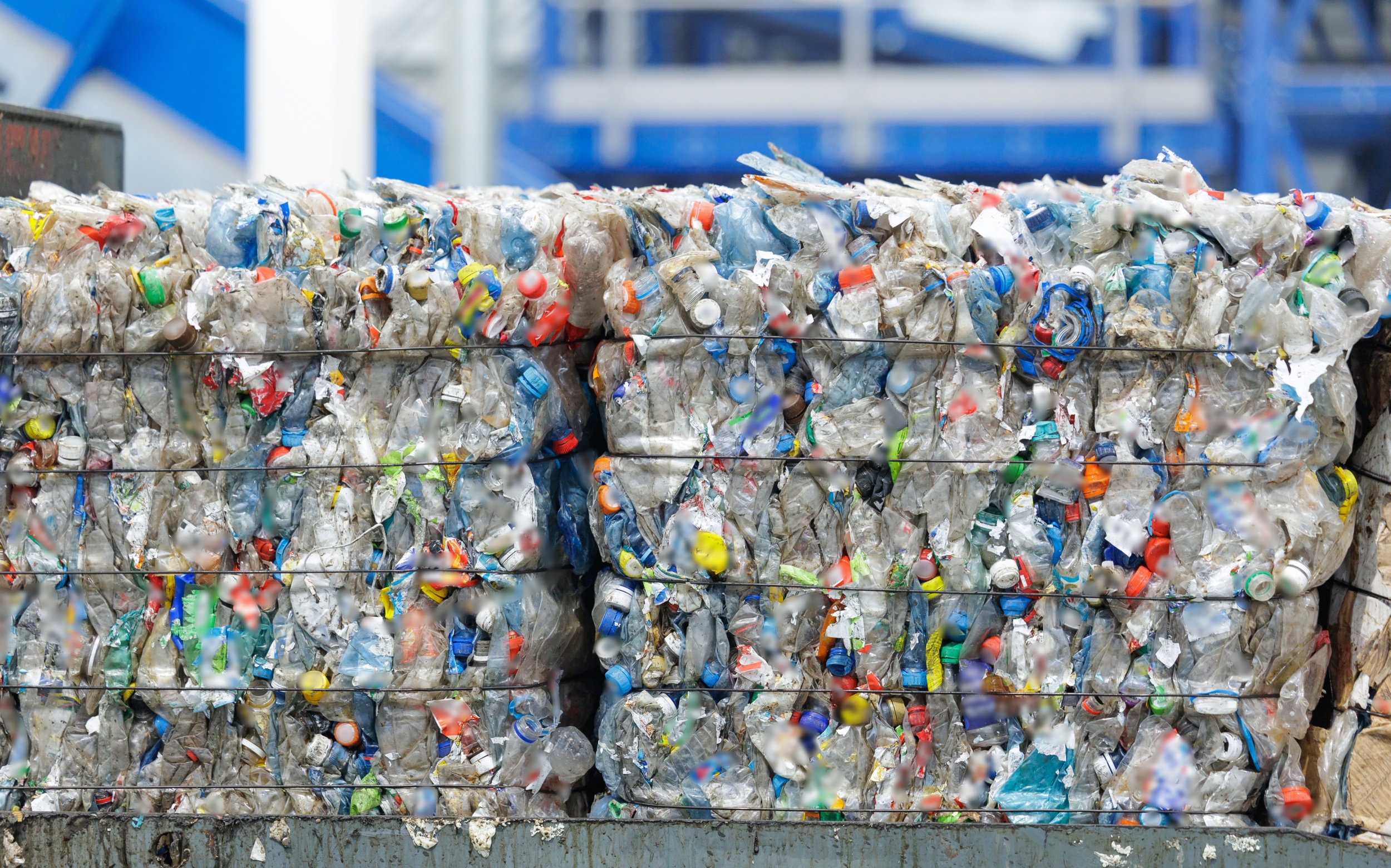
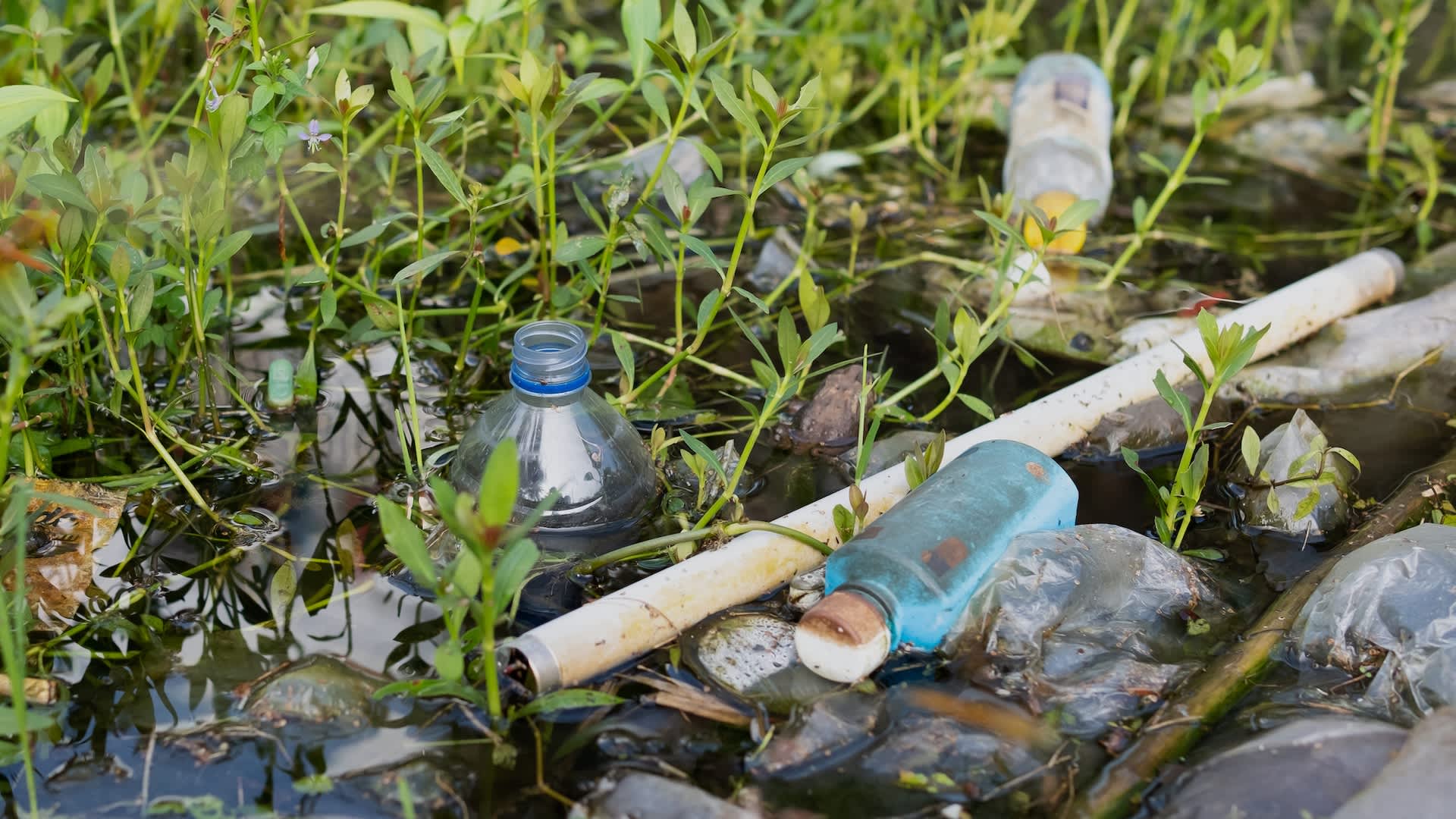
Some of these particles are then carried back down by rain and snow, contaminating both water and soil. car paris Plastic pollution in major cities is ...
Read research brief →
Award-winning doc examining water privatization, contamination, and the fight to keep water a human right. One of the most cited water crisis films. Free on YouTube.
Read research brief →
Flint, Michigan, USA
Ongoing investigation reveals lead contamination still affecting thousands of residents
Read research brief →
Leonardo DiCaprio's NatGeo documentary on climate change and its direct impact on global water systems. Released free on YouTube by National Geographic — mass reach, high credibility.
Read research brief →
Based on Maude Barlow's landmark book. Exposes corporate and government seizure of global water supplies — and the grassroots resistance. Free on YouTube.
Read research brief →
Documents the Pacific plastic vortex and its journey into the food chain and drinking water. Direct link between ocean plastic and tap water contamination. One of the most-watched environmental docs on YouTube.
Read research brief →
PBS Frontline deep-dive on Flint. How a city's water was poisoned by lead while government officials looked away. Authoritative, free, and directly relevant to why household water control matters.
Read research brief →
Flint, Michigan, USA
A decade-long crisis exposing systemic failure in protecting public water safety, affecting predominantly Black and low-income communities
Read research brief →
Plastic pollution is more than just trash on the beach. Marine plastic waste releases PFAS and heavy metals into the water of small freshwater lakes ...
Read research brief →
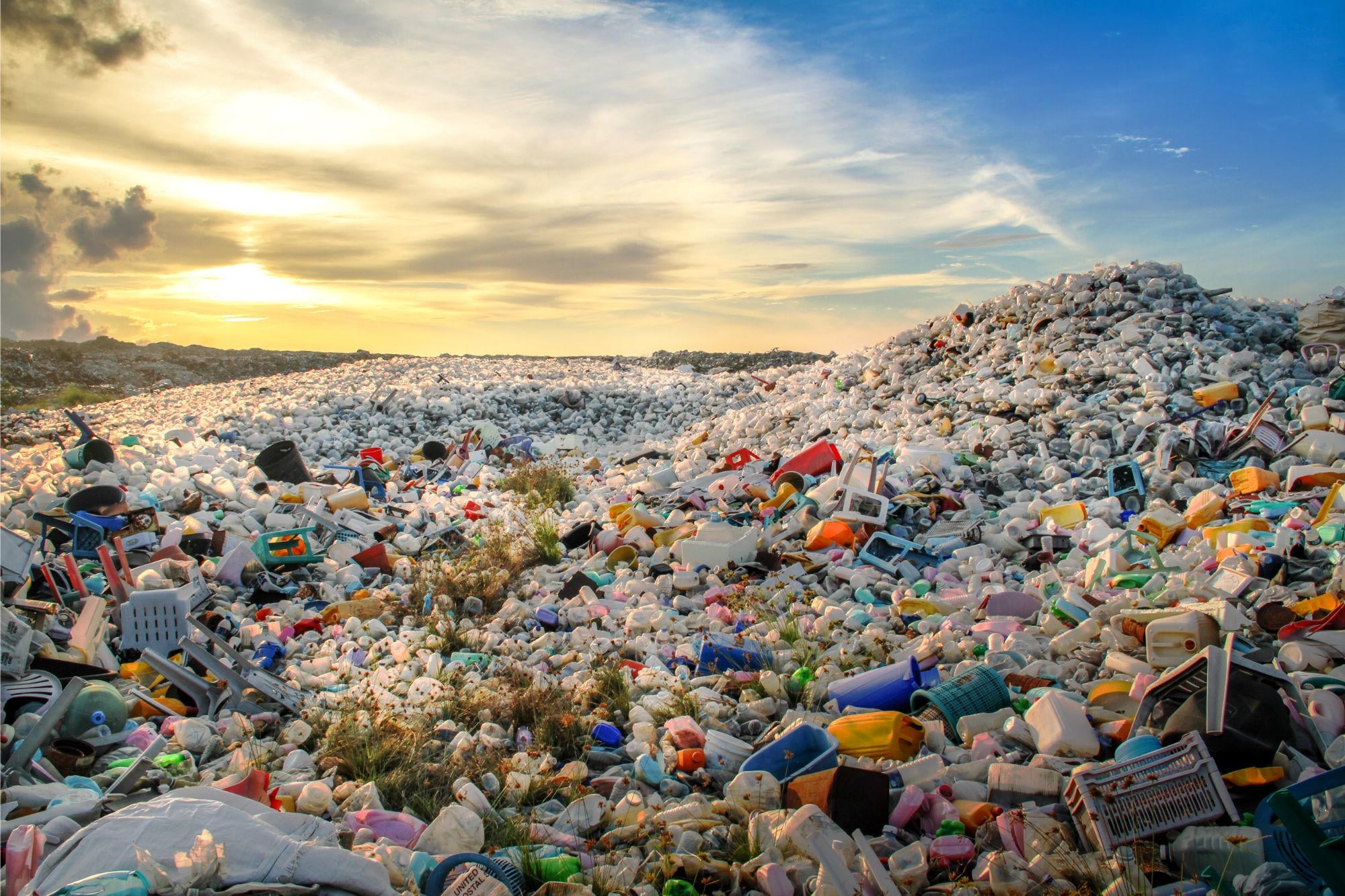
8 million tonnes of plastic enters the ocean every year. Marine plastic breaks into microplastics that enter the water cycle. The ocean plastic crisis and the drinking water crisis are the same crisis.
Read research brief →
2.2 billion people lack access to safely managed drinking water. Water scarcity affects 4 billion for at least one month per year. Water crises ranked top-5 global risk by WEF for a decade.
Read research brief →
Los Angeles, CA
LA-based research org that conducted the landmark study quantifying 5.25 trillion plastic particles in the world's oceans. Leads global microplastics research and policy.
Read research brief →
Film exposing DuPont's decades-long PFAS contamination of Parkersburg, WV. Mark Ruffalo plays attorney Rob Bilott whose real legal case changed US chemical regulation.
Read research brief →
Government and utility monitoring has failed. The future is community-led water testing, open-source sensors, and citizen science. EWG Tap Water Database and community testing kits put accountability in community hands.
Read research brief →
Netflix documentary showing global water solutions across five continents
Read research brief →
... water, soil and noise pollution are all linked to health ... waters, waste and microplastics is either stable or worsening, the review found.
Read research brief →
Global
Plastic pollution is more than just trash on the beach. Marine plastic waste releases PFAS and heavy metals into the water of small freshwater lakes ...
Read research brief →
Global Coastlines
... plastic pollution rising sharply and posing growing risks to human health and local ecosystems. What's happening? Microplastic pollution along ...
Read research brief →
Global
That makes it particularly relevant for plastic pollution in aquatic environments, where microplastics are already dispersed and difficult to collect.
Read research brief →
Missoula, Montana
PBS Montana investigation finding 17 PFAS compounds in garden compost from biosolids
Read research brief →
Vail, Colorado, USA
Explore the unseen impacts of Great Lakes plastic pollution on the environment and human health. ... water for millions. Guided by Dr. Sherri ...
Read research brief →
Global
Plastic pollution spreads everywhere. Microplastics are already everywhere, from deep ocean sediments to polar ice. They are no longer only an ...
Read research brief →
Exposes the bottled water industry. Nestlé, Pepsi, and Coke draw water from drought-stressed communities and sell it back at 2000x the cost of tap — with plastic contamination included. Free on YouTube.
Read research brief →
San Clemente, CA
Grassroots nonprofit protecting oceans, waves, and beaches. Runs the Blue Water Task Force — the largest volunteer water quality monitoring network in the US.
Read research brief →
70M acres of US farmland potentially contaminated by PFAS-laden sewage sludge.
Read research brief →
Boca Raton, Florida, USA
4ocean's mission is to remove plastic and trash from our oceans + coastlines and help people + companies go plastic neutral. Learn how to get involved!
Read research brief →
Osaka, Japan
“Plastic pollution is a planetary problem that affects everyone: every ... Plastic pollution treaty not dead in the water: UN environment chief ...
Read research brief →
Los Angeles, CA
Independent documentary journalist covering global water crises with cinematic storytelling. 6M+ YouTube subscribers. Tier 1 outreach target — his water videos have millions of views.
Read research brief →
Los Angeles, CA
Environmental activist who exposed PG&E chromium-6 contamination in Hinkley, CA. Now leads nationwide community water contamination investigations.
Read research brief →
US drinking water infrastructure graded C- in 2025 with 9M lead service lines remaining.
Read research brief →
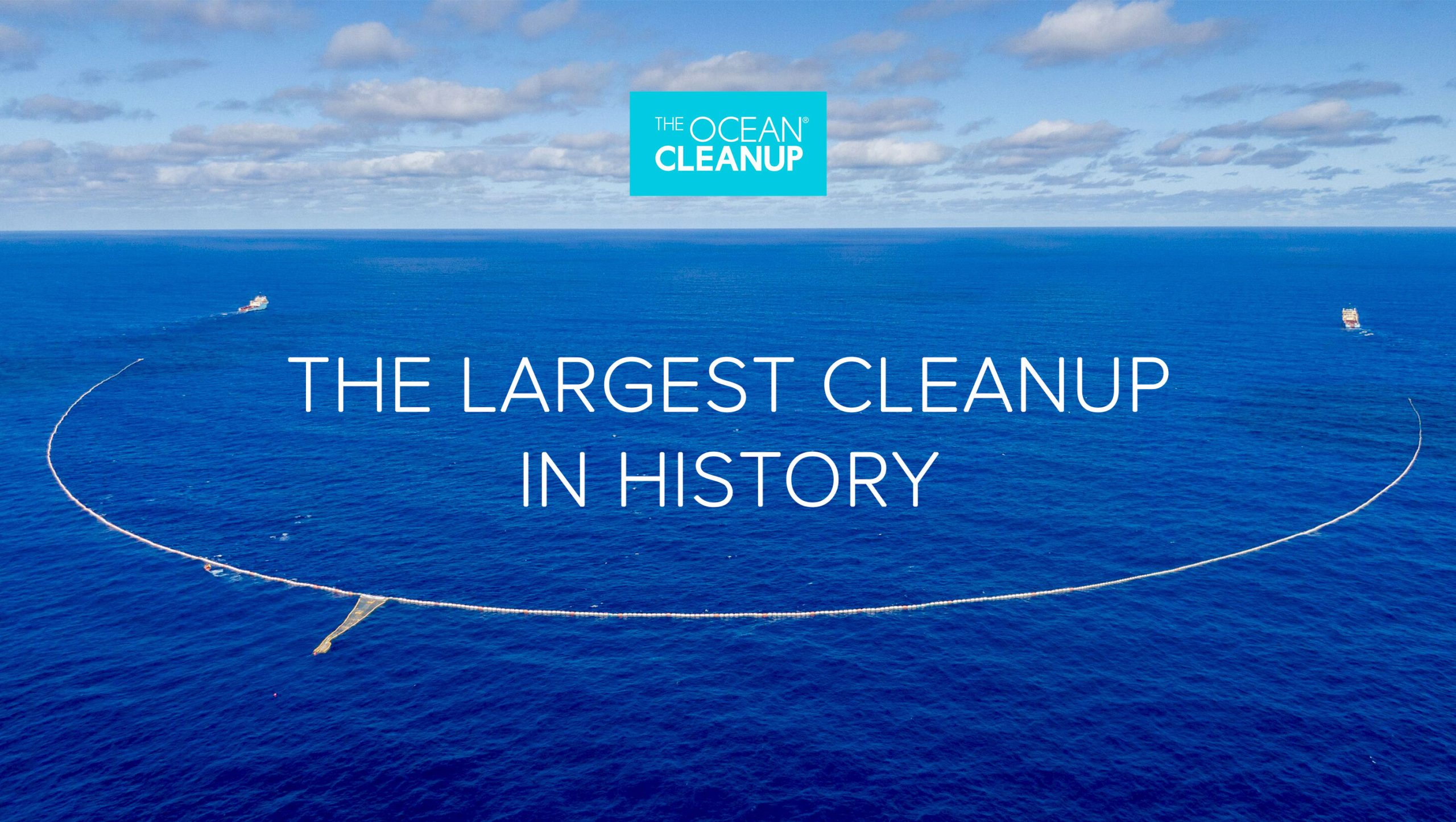
Pacific Ocean
Innovative ocean plastic cleanup technology
Read research brief →
Epidemiological study linking chlorinated water exposure to increased rates of atopic dermatitis and respiratory issues in young children. Chlorine byproducts damage skin barrier and sensitize developing immune systems.
Read research brief →
EWG analysis: Chromium-6 detected in water serving 200+ million Americans. Animal studies link prenatal chromium-6 exposure to reproductive toxicity, low birth weight, and skeletal abnormalities in offspring.
Read research brief →
Board-certified integrative medicine physician specializing in environmental toxins and family health. Vocal advocate for water filtration as foundational health intervention. Content reaches 500K+ across platforms.
Read research brief →
ATSDR documents PFAS chemicals found in umbilical cord blood at birth — associated with low birth weight, immune suppression, and disrupted thyroid function in newborns.
Read research brief →
Nature Food study: polypropylene baby bottles release up to 16.2 million microplastic particles per liter when exposed to boiling water for formula preparation. Higher temperatures = exponentially more particles.
Read research brief →
EWG testing found PFAS in packaging for major baby food brands. These forever chemicals migrate into food during storage, exposing infants to endocrine-disrupting compounds during critical development windows.
Read research brief →
CDC guidance on nitrate contamination in well water causing methemoglobinemia in infants. Babies under 6 months are most vulnerable — nitrate converts to nitrite in their immature digestive systems, reducing oxygen-carrying capacity of blood.
Read research brief →
FDA documents inorganic arsenic accumulation in rice-based infant cereals. Rice absorbs arsenic from irrigation water at 10x the rate of other grains. FDA set action level of 100 ppb for infant rice cereal.
Read research brief →
Investigative platform by Leah Segedie covering PFAS, microplastics, and water contaminants in household and baby products. One of the most trusted voices in mom communities on everyday toxin exposure for families.
Read research brief →
No safe level of lead exists for fetuses or infants. EHP review documents how lead in household water crosses the placenta, impairs neural development, and causes irreversible cognitive damage.
Read research brief →
Epidemiological study finding elevated risk of spontaneous abortion among women with high trihalomethane (chlorine disinfection byproduct) exposure in first trimester. THMs are formed when chlorine reacts with organic matter in water.
Read research brief →
First peer-reviewed study to detect microplastic particles in human breast milk samples, raising urgent questions about infant exposure from day one of life.
Read research brief →
Free searchable database covering 50,000+ water utilities. Enter any US zip code to see detected contaminants vs. health guidelines. Essential first step for families assessing local water quality.
Read research brief →
CDC acknowledges that mixing powdered or concentrated formula with fluoridated tap water can increase risk of dental fluorosis in infants, recommending low-fluoride water for infant formula.
Read research brief →
JAMA Pediatrics study of 512 mother-child pairs: each 0.5 mg/L increase in maternal urinary fluoride associated with a 3.66-point drop in child IQ scores.
Read research brief →
American Academy of Pediatrics position: no safe blood lead level in children. Lead in household plumbing remains the primary exposure route for most children. AAP recommends testing water in all homes with children under 6.
Read research brief →
74-study meta-analysis showing inverse associations between fluoride exposure and IQ.
Read research brief →
250-260 million North Americans consume forever chemicals and microplastics daily through tap water. Critical reading for pregnant women and families.
Read research brief →
Yale-trained integrative women's health expert on environmental health
Read research brief →
Dr. Huberman on sodium, electrolytes, and hydration science
Read research brief →
Living water is energetically structured, mineral-rich, and free of contaminants. Most tap and bottled water is dead — processed, chlorinated, and devitalized. The IDLW origin story and foundational concept.
Read research brief →
Microplastics found in human blood, lungs, placentas, and brains. Nanoplastics can cross the blood-brain barrier. Bottled water contains 2x more microplastics than tap water.
Read research brief →
Molecular hydrogen is a powerful selective antioxidant. Clinical studies show H2-enriched water reduces inflammation, improves athletic recovery, and may slow cellular aging. Over 1,000 peer-reviewed studies published.
Read research brief →
The brain is 75% water. Even 1-2% dehydration impairs memory, focus, and decisions. Lead, PFAS, and nitrates cross the blood-brain barrier. Harvard research links water quality to cognitive performance.
Read research brief →
Microplastics found in human blood, lungs, placentas, and brains. Bottled water contains 2x more microplastics than tap water. Nanoplastics can cross the blood-brain barrier.
Read research brief →
The gut microbiome contains 38 trillion bacteria. Chloramine kills both bad bacteria and beneficial gut flora. Research links poor water quality to IBS, autoimmune conditions, and anxiety through the gut-brain axis.
Read research brief →
Hexavalent chromium contaminates drinking water for 250M Americans. EWG argues federal limits are 500x too high. California fought the MCL for 20 years.
Read research brief →
Antibiotics, hormones, antidepressants, and chemotherapy drugs found in tap water. Standard wastewater treatment does not remove pharmaceuticals. Fish are changing sex downstream from treatment plants.
Read research brief →
The contamination crisis is happening now. Industrial agriculture, aging infrastructure, and PFAS have created a multi-front contamination emergency. EPA regulations are 20+ years behind the science.
Read research brief →
Landmark 2022 study: first direct detection of microplastics in human blood. 17 of 22 healthy adult donors tested positive. Confirms microplastics enter the bloodstream, not just pass through the body.
Read research brief →
Second most widely used herbicide in US — banned in EU since 2004. Most common contaminant in American groundwater. Chemically castrates frogs at EPA-allowed levels. Endocrine disruptor linked to ovarian cancer.
Read research brief →
Per- and polyfluoroalkyl substances accumulate in the body, never break down, and are linked to cancer, thyroid disease, and immune dysfunction. Detected in 200M+ Americans tap water.
Read research brief →
No safe level of lead for children. 9.2M homes still on lead service lines. Lead causes irreversible neurological damage and lowered IQ.
Read research brief →
Plastic Profits Over People: The Oil Industry’s Final Stand Against a Dying Planet" While the world wakes up to the irreversible damage plastic has caused to our oceans, wildlife, and bodies, something deeply disturbing is happening behind closed doors. The oil and petrochemical industries—knowing their fossil fuel dominance is slipping in the face of electric vehicles and renewable energy—are making a strategic pivot. That pivot? Doubling down on plastic. That’s right. As demand for gasoline dr
Read research brief →
NIH-funded research demonstrating neurological harm from lead exposure even below the CDC action level of 5 micrograms per deciliter. Cognitive decline and cardiovascular effects occur at levels previously considered safe.
Read research brief →
... microplastics every year compared with around 4,000 extra particles for people who rely solely on tap water. Instead, drink tap water with a ...
Read research brief →
UC Berkeley study mapping PFAS contamination across California water systems. Documents correlation between PFAS hotspots and elevated cancer rates in surrounding communities.
Read research brief →
The Great Water Awakening The era when pure water stood in the shadow of artificial beverages is dissolving before our eyes. Today, clean drinking water reclaims its rightful place as the cornerstone of conscious living, and this shift signals something far more profound than market preference—it represents humanity's return to fundamental truth. From elevating mental clarity to radiating skin vitality, the benefits of pure hydration extend beyond the physical realm into the very essence of who
Read research brief →
Sacramento, California, USA
Neuroscience research documenting how proximity to water reduces stress, increases creativity, and improves mental health
Read research brief →
Dr. Daniel Amen, a double board-certified psychiatrist and founder of Amen Clinics, has performed over 250,000 brain SPECT scans across 155 countries — the largest database of its kind. His morning routine research reveals that even mild dehydration (as little as 2%) can impair cognitive function, reduce focus, and lower mood. Starting the day with water before coffee is one of his most accessible, science-backed recommendations for brain health. Hydration is often the simplest fix for brain fog that most people overlook.
Read research brief →
Global
Freshwater sources worldwide contain an average of 150 microplastic particles per cubic meter, while airborne microplastics in industrial areas can ...
Read research brief →
Dehydration triggers cortisol spikes driving doomscrolling. A 12-day water reset breaks the cycle from the inside out.
Read research brief →
Flint, Michigan, USA
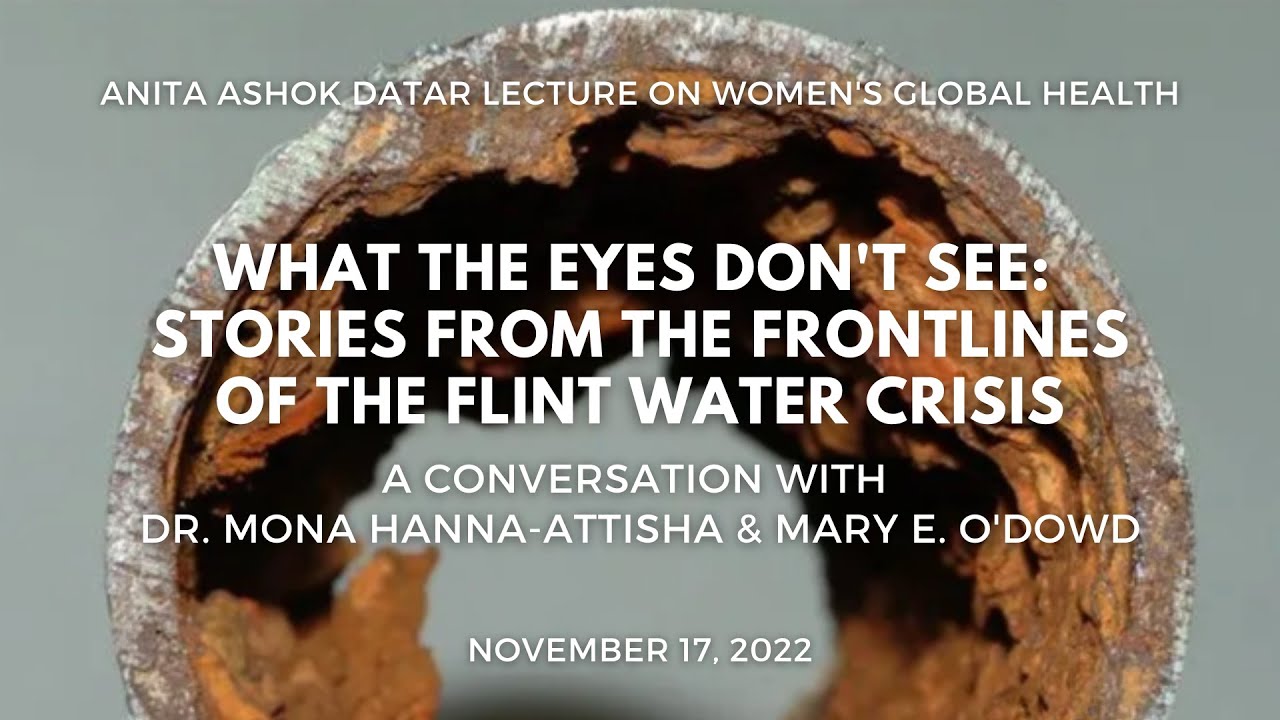
Dr. Mona Hanna-Attisha is the pediatrician who uncovered the Flint water crisis by testing children's blood lead levels and going public against government denial. Her data-driven advocacy forced a national reckoning on water infrastructure and environmental justice. This lecture captures her story and methodology — a masterclass in using science to defend communities.
Read research brief →
Global
Fragmented fibres, including fibrous microplastics, are ... Importance of Water-Volume on the Release of Microplastic Fibers from Laundry.
Read research brief →
43 million Americans drink from private wells with zero federal regulation. E. coli found in 1 in 10 private wells. The Safe Drinking Water Act does not apply to private wells.
Read research brief →
Naturally occurring uranium contaminates groundwater in Arizona, New Mexico, Wyoming, and Colorado. Causes kidney damage before radiation harm. Navajo Nation faces disproportionate exposure from abandoned mines.
Read research brief →
EPA has 15 billion to replace 9.2M lead service lines by 2031. At current pace it will take 50+ years. Children in homes built before 1986 drink through lead solder joints. No safe level of lead for children.
Read research brief →
Food-grade diatomaceous earth binds and flushes toxins mechanically — a natural detox for PFAS and microplastic accumulation with no liver overload.
Read research brief →
Researchers have documented approximately a teaspoon of micro and nanoplastics in the average North American brain, potentially interfering with memory and cognitive function.
Read research brief →
Washington, DC, USA
“There is a big difference in microplastic concentrations found in tap water, which may contain tens or low hundreds of microplastics per liter, ...
Read research brief →
Arsenic contaminates groundwater in 25 US states. Cannot taste or smell it. Causes bladder, lung, and skin cancer. Current EPA limit of 10 ppb may be 10x too lenient.
Read research brief →
Comprehensive CDC survey documenting contaminant prevalence across US public water systems. PFAS detected in 45% of tap water samples. Multiple contaminants present simultaneously in most systems.
Read research brief →
Arsenic contaminates groundwater in 25 US states. Undetectable without testing. Causes bladder, lung, and skin cancer. EPA limit of 10 ppb may be 10x too lenient.
Read research brief →
Plastic pollution is often discussed in terms of visible environmental waste or growing concerns about microscopic plastics entering food and ...
Read research brief →
Global
A new study found that "microbubbles" are eroding plastic in the water, contributing to a higher release of microplastics.
Read research brief →
Harvard research showing even mild dehydration (1-2% water loss) causes measurable decline in memory, focus, and decision-making. Core citation for the brain health angle of IDLW messaging.
Read research brief →
Stanford neuroscientist with comprehensive water science content
Read research brief →
... microplastics in commercial bottled water. EatingWell + 2. 3 references ... Top bottled water brands tied to microplastic exposure risk.
Read research brief →
Nitrates from fertilizer runoff contaminate private wells. In infants under 6 months, nitrates cause methemoglobinemia where blood loses ability to carry oxygen. Mixing infant formula with contaminated well water can be fatal.
Read research brief →
Radium contaminates water systems serving 160M+ Americans. Long-term exposure linked to bone cancer and leukemia. Primarily in Illinois, Wisconsin, Texas, and California.
Read research brief →
Two-hour comprehensive water science episode by Dr. Huberman
Read research brief →
When chlorine reacts with organic matter it forms trihalomethanes and haloacetic acids — known carcinogens. Chlorinated water during pregnancy linked to increased miscarriage risk. The treatment paradox: the fix creates a new problem.
Read research brief →
Most North American cities use chloramine as disinfectant. Cannot be removed by standard Brita-style filters. Produces haloacetic acids linked to bladder cancer.
Read research brief →
Brain health pioneer with 250,000+ brain scans showing hydration impact
Read research brief →
Every US water system files a consumer confidence report. This guide walks through finding your report by zip code and interpreting findings on microplastics, heavy metals, and PFAS.
Read research brief →
A 2024 NIH-funded systematic review found associations between fluoride exposure and lower IQ in children above 1.5 mg/L. IDLW takes a data-driven, non-dogmatic approach.
Read research brief →
PFAS never break down in the environment or body. They accumulate over a lifetime. By age 40, most North Americans have measurable PFAS in their bloodstream.
Read research brief →
Agricultural fertilizer runoff contaminates private wells. Nitrates cause methemoglobinemia (blue baby syndrome) in infants. 43M Americans drink from unregulated wells.
Read research brief →
Pets drink more water relative to body weight and are often first to show contamination symptoms. Chlorine, fluoride, and PFAS affect animals differently. Chronic kidney or bladder issues in pets? Ask what is in their water.
Read research brief →
Independent, ad-free pet health publication. Publishes rigorous water quality guides — which filters work, what to test for, and how tap water affects dog health long-term.
Read research brief →
Dogs are more sensitive to fluoride than humans. Levels considered safe in municipal water cause skeletal fluorosis and soft tissue damage in dogs over time. What's legal in your tap water isn't safe for your dog.
Read research brief →
90%+ of commercial pet foods contain microplastics. Combined with tap water, pets absorb a higher microplastic load per body weight than humans. Your pet is absorbing more plastic than you are.
Read research brief →
CKD kills more cats than any other disease. Research links chlorine, fluoride, and heavy metals in tap water to accelerated kidney damage in cats. Your pet's illness is often the first sign something is wrong with your water.
Read research brief →
Holistic veterinarian and host of Mercola Healthy Pets. Covers water quality for animals — chlorine, fluoride, microplastics. One of the most followed integrative vets online.
Read research brief →
Halifax, NS, Canada
Canadian pet health advocate, 8M+ social followers. Co-authored "The Forever Dog." Covers water quality, nutrition, and longevity — pets live longer on clean water.
Read research brief →
Distillation removes 99.9% of all contaminants including PFAS, heavy metals, bacteria, and disinfection byproducts. Boils water and condenses steam — leaving all contaminants behind. More effective than RO.
Read research brief →
Viktor Schauberger observed that natural moving water maintains a living structure. Grander technology revitalizes water by restoring its natural coherent structure without chemicals or filters.
Read research brief →
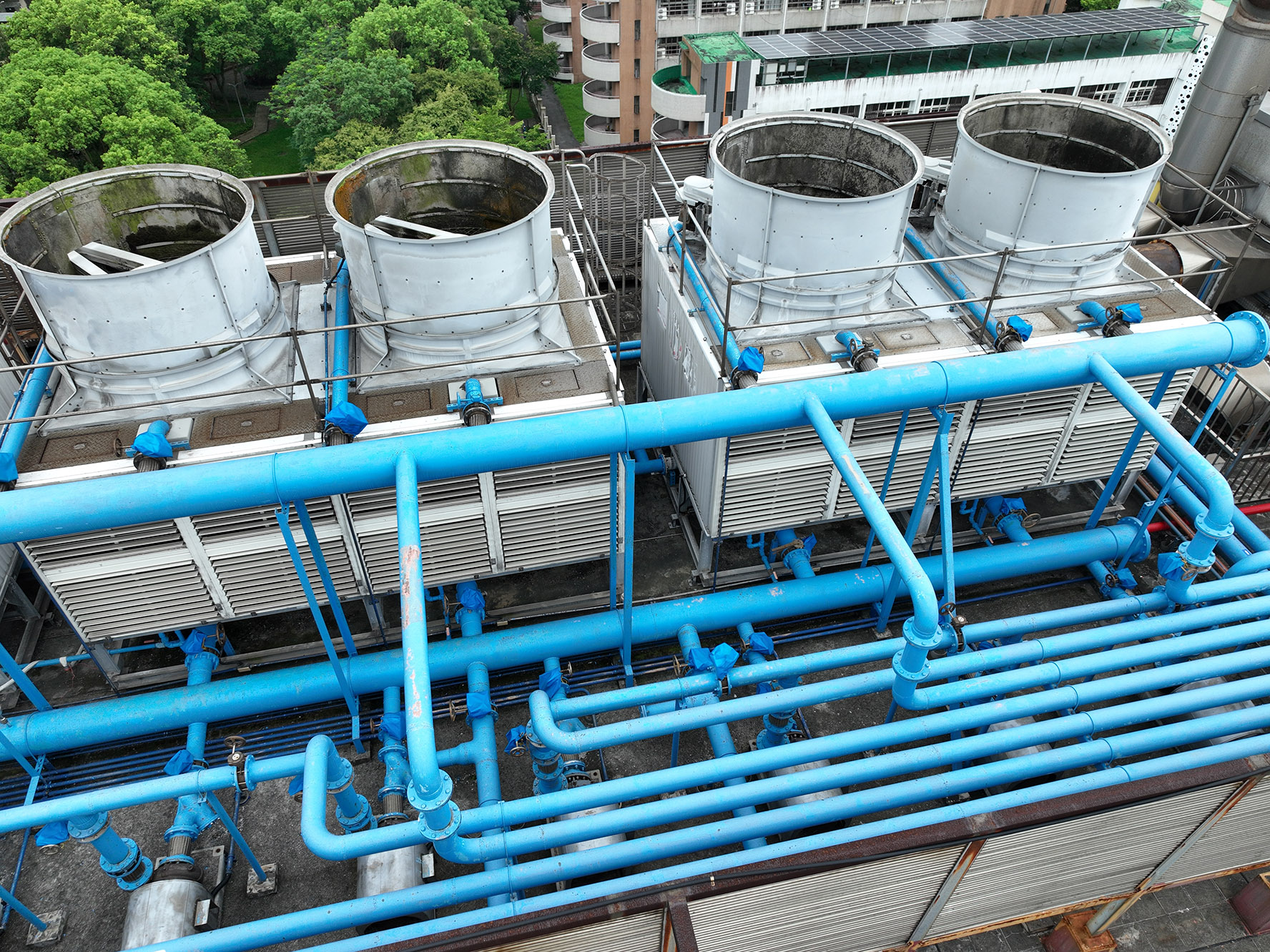
Brookings policy brief: AI data centers projected to consume 68 billion gallons of water annually by 2028, up from 17 billion in 2023. Large facilities use 5 million gallons per day — equivalent to a town of 50,000 people.
Read research brief →
Canada's largest university-based water research hub. Developing smart technologies for detecting and removing pathogens and emerging contaminants. Research spans water treatment, watershed management, and water policy.
Read research brief →
Ultra-pure water is missing essential minerals. Long-term consumption without remineralization accelerates mineral depletion. The solution: distill then add trace minerals back in bioavailable form.
Read research brief →
Legal analysis of emerging US regulations on data center water consumption. States beginning to require water use disclosures and environmental impact assessments. Data centers built in drought-prone western states face mounting legal challenges.
Read research brief →
Part of $552M national investment in 92 research projects. Dalhousie's Water RESILIENCE Lab developing advanced monitoring and treatment technologies to help communities manage growing water risks linked to climate change.
Read research brief →
Global
Innovative technology extracting water from air humidity
Read research brief →
Israel
Creates drinking water from air using atmospheric water generation. Deployed in 60+ countries and disaster relief zones. Represents the future of decentralized water production.
Read research brief →
Americans spend 330 billion per year on bottled water and 400+ billion on healthcare costs linked to water contaminants. A whole-home system costs 1,500-4,000. The ROI is measurable.
Read research brief →
Google halted construction of a major data center in Chile after community opposition over water scarcity. The project exposed the vulnerability of water-cooled infrastructure in arid regions and forced Google to publicly commit to alternative cooling strategies.
Read research brief →
Environmental and Energy Study Institute overview of data center water consumption crisis. Many AI data centers are built in the driest regions to capitalize on solar power, placing enormous strain on already-limited water supplies.
Read research brief →
Environmental Law Institute analysis: water was cited as the primary concern in 40%+ of contested data center projects. 25 projects canceled in 2025 alone. Communities pushing back against industrial water consumption that competes with residential supply.
Read research brief →
France enacted laws requiring water regime authorization for data centers. Local authorities can now deny building permits during recurring water shortages. New regulations require data centers over 1 MW to implement waste heat recovery systems. First major nation to formalize water scarcity into tech infrastructure permitting.
Read research brief →
Canada's largest university-led water research program. Focused on water security for cold regions, Indigenous water sovereignty, and climate adaptation. Produces open-access tools and data for communities facing water challenges.
Read research brief →
IDLW original topic backed by Huberman neurotransmitters + minerals episode.
Read research brief →
TMU researchers studying water demands of AI and data centre infrastructure. Geoffrey F. Bruce Fellowship recipients include research on data center water consumption and blue roof water quality — bridging tech industry impacts with public health.
Read research brief →
(Auto-backfilled from live IDLW slug — Glen to tag and curate during approval.)
Read research brief →
(Auto-backfilled from live IDLW slug — Glen to tag and curate during approval.)
Read research brief →
(Auto-backfilled from live IDLW slug — Glen to tag and curate during approval.)
Read research brief →
(Auto-backfilled from live IDLW slug — Glen to tag and curate during approval.)
Read research brief →
(Auto-backfilled from live IDLW slug — Glen to tag and curate during approval.)
Read research brief →
(Auto-backfilled from live IDLW slug — Glen to tag and curate during approval.)
Read research brief →
(Auto-backfilled from live IDLW slug — Glen to tag and curate during approval.)
Read research brief →
(Auto-backfilled from live IDLW slug — Glen to tag and curate during approval.)
Read research brief →
(Auto-backfilled from live IDLW slug — Glen to tag and curate during approval.)
Read research brief →