
Current 01 of 03 · curated by Glen Kerby
Access
The people and systems building access to water where the official pipe failed: utilities, drought cities, reuse, the fight to keep water a right and not a commodity.
The sequence in the order Glen would read them
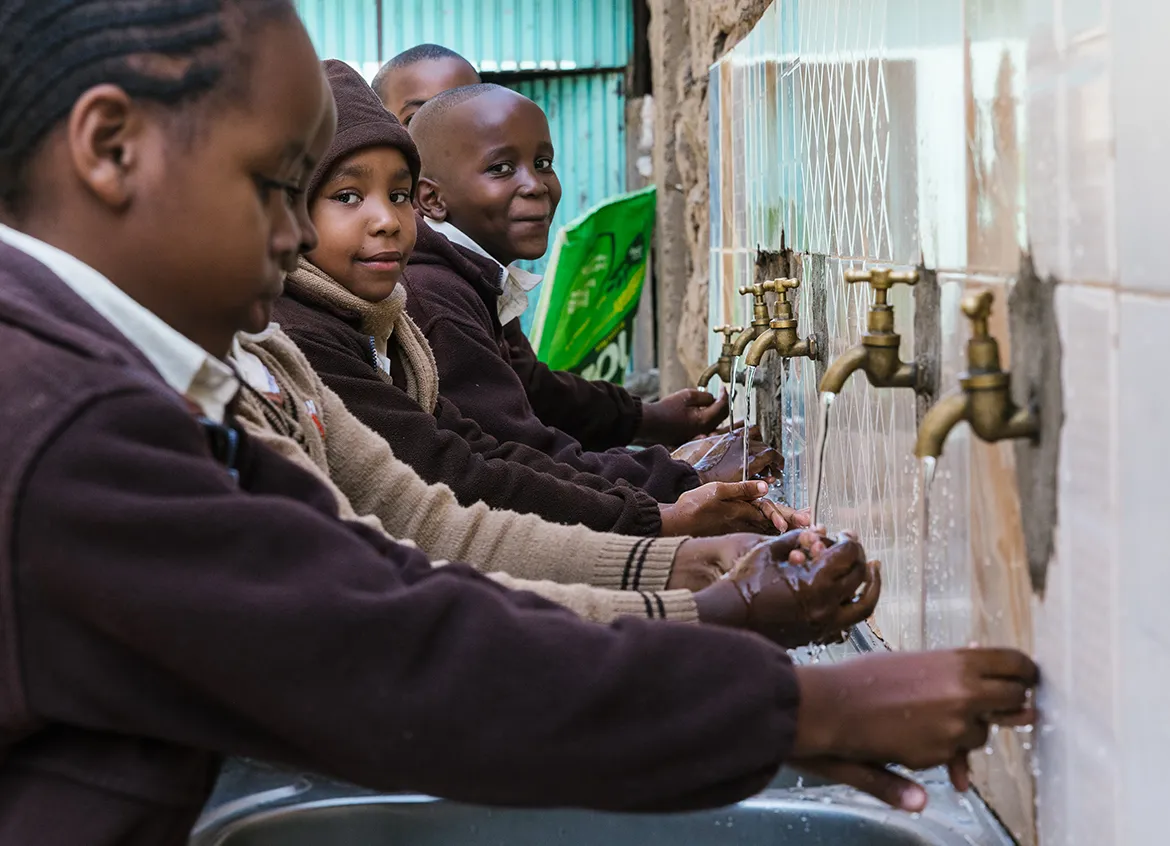
Water.org
Uses microloans and grassroots solutions to give families in the developing world access to water that can financially transform their lives — enabling livestock, agriculture, and economic change. Founded by Gary White and Matt Damon, doing meaningful work where it's needed most.

ASCE 2025 Infrastructure Report Card — Water Systems Still Lag
Most authoritative infrastructure assessment. Explains why tap water is getting harder to clean. This is an important story for us to understand.
The EPA's Own Data
In January 2025 the EPA released its own draft risk assessment for PFAS in sewage sludge on farmland. The assessment acknowledges the risk. It does not ban the practice or set enforceable limits. This is a primary source — when someone tells you the government says it's safe, you can point here and ask: have you actually read what the government says?
Plastic and the ocean Three pages on the same failure, seen from the water. Tools and cleanups, not the definition of Access.

4ocean | Our Mission to Remove Plastic + Trash from Our Oceans
Doing incredible work teaching people about what's happening in the oceans and making a real dent in plastic buildup. Runs beach cleanups, water diking programs, and ocean harvesting initiatives. Should be paired with Boyan Slat's Ocean Cleanup Project — both are essential voices working on the same problem from different angles.
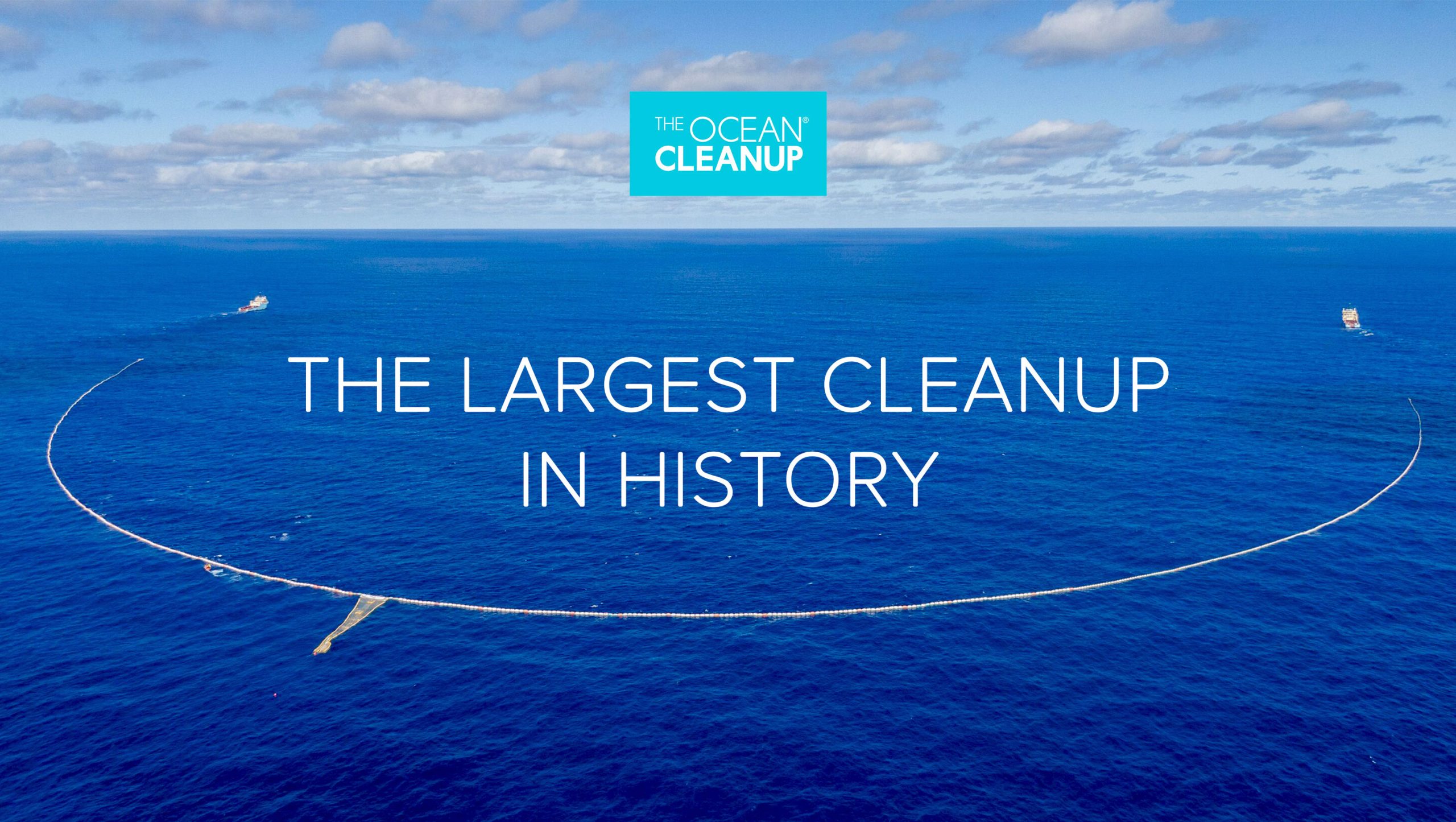
Ocean Cleanup Project by Boyan Slat
New technology speeding up the reclamation of plastics from massive ocean areas. The Great Pacific Garbage Patch alone holds more than 100 million kilograms of floating plastic, by The Ocean Cleanup's own count. A good news story about innovation fighting back — should be paired with 4Ocean, which is working on the same problem from a different angle.
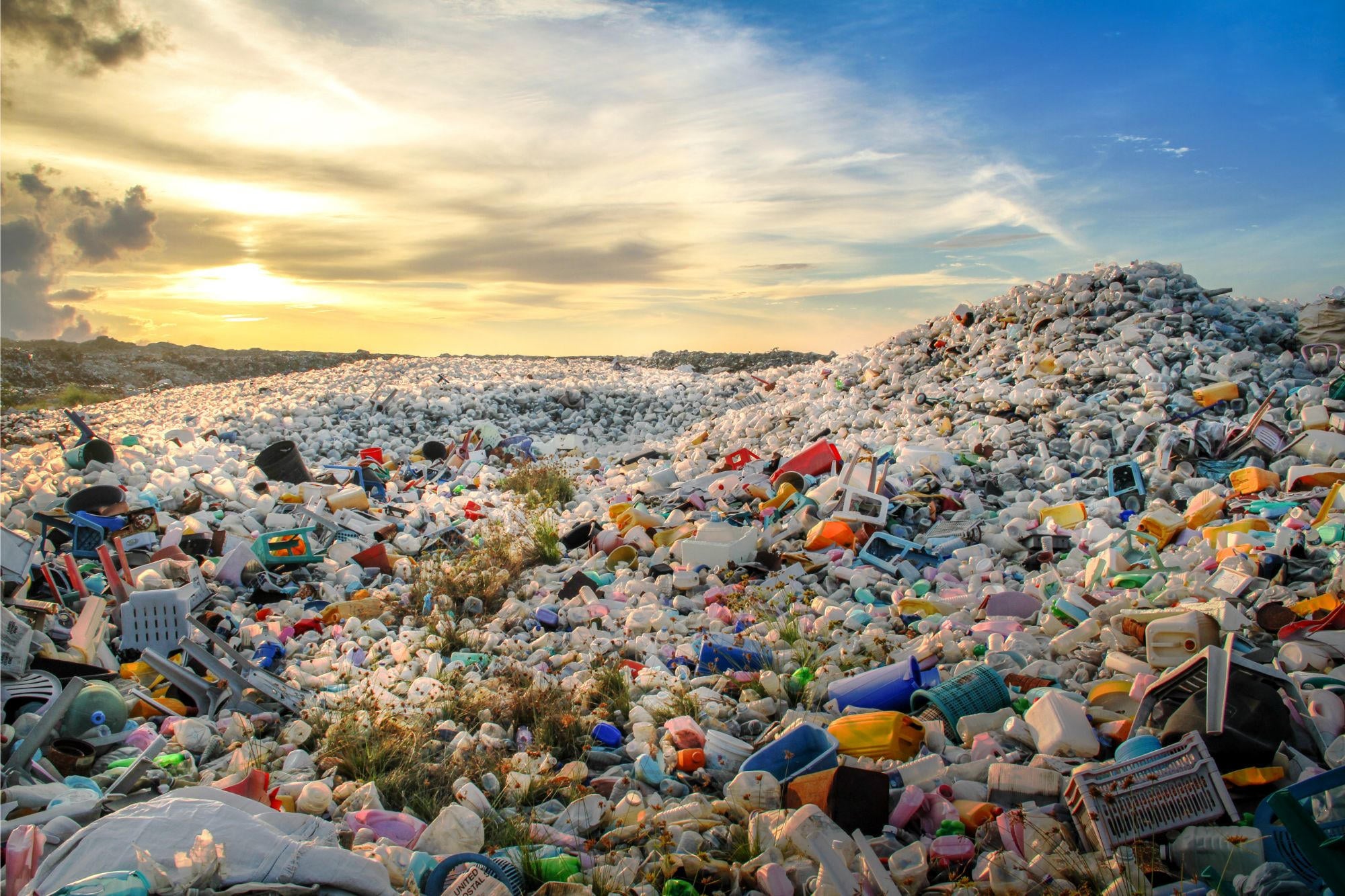
Plastic Without End: Are We Polluting the Planet for Eternity? - SciTechDaily
The answer is yes. Most plastics are designed pollution — multilayer buildups that can't be recycled, with breakdown lifespans in the thousands of years, breaking down into ever-smaller particles that may technically never disappear. People need to stop believing the lie that plastic is recyclable or sustainable.
Also in Access newest first
Máxima Acuña: Laguna Azul and the Headwater Above Cajamarca
I chose Máxima Acuña because her story starts where water starts. Laguna Azul and the wetlands around it store the rainy season for the dry one, and families below drink from that storage. A tap downstream is only as reliable as the headwater above it. Protect the place where water starts, and the people below keep water to drink.
Wangari Maathai: The Stream That Dried Up, and the Trees That Hold Water
I chose Wangari Maathai because her work began with a report from the people closest to the water. Rural women said their streams were drying up, and she trusted them to fix it with their own hands, one tree at a time. Thirty million trees later, the fix was not a pipe or a pump. It was a living system that holds water in the ground, kept by the people who depend on it.
Diane Wilson: How a Bay Full of Plastic Pellets Became a Court Record
I chose Diane Wilson because she shows that clean water depends on someone counting. She and her volunteers walked and paddled the shoreline almost every day, and that daily sampling turned a bay into evidence a federal court could not ignore. The evidence turned into holding ponds and rules that keep plastic out of a bay where families fish. That is the lesson I want on this page.
Chewang Norphel: Slow the Water, Store the Winter, and Let the Village Keep It
I chose Chewang Norphel because of where the idea was put to work: a rural engineer, a village short of water, and stone, shade and cold air. No pump, no power line, no imported parts. And he is honest that the ice only lasts when the village keeps it. The engineering is simple; the upkeep is the work. That is the lesson I want on this page.
Georgie Badiel Liberty: Two Women in Every Village Who Can Fix the Well
I chose Georgie Badiel because her story starts with a broken well, and broken wells are everywhere. The part that is usually missing is not the drill rig. It is someone nearby who knows the pump. Her association trains two women in every village to keep the water coming, and that is a fix that lasts after everyone else leaves.

Jon Rose and Waves For Water: Filters, Travelers and Local Leaders
I chose Jon Rose because his story starts with something small, ten water filters in a surfer's bag. What keeps me reading is what Waves For Water built around it: a way for ordinary travelers to carry clean water with them, and a habit of working through the local leaders who step up in their own communities. It's a reminder that access is often the real question.
Rajendra Singh: The Waterman of India and the Johads of Rajasthan
I chose Rajendra Singh because he listened first. He came to open clinics, the villagers asked for water, and he helped them rebuild what their ancestors already knew how to build. A river running again in summer is living water in the most literal sense.
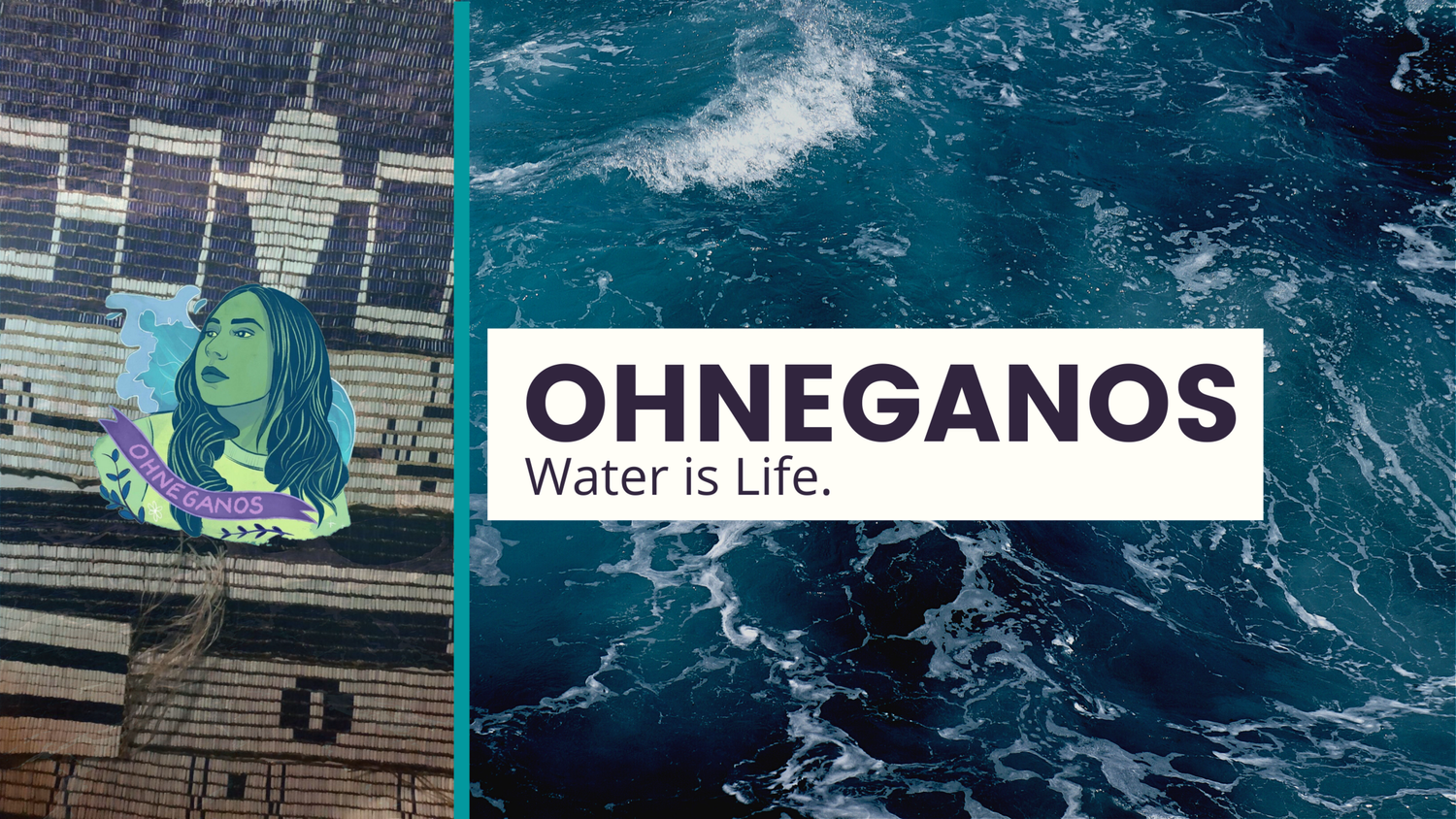
Dr. Dawn Martin-Hill: Ohneganos and Community-Led Water Research
I chose Dawn Martin-Hill because she lives the question she studies. She has said that when your water runs out, everything stops, and she built research where Elders and young people help lead, not just take part. The turtle story is the one I keep coming back to: the knowledge was already there, and science had to listen.
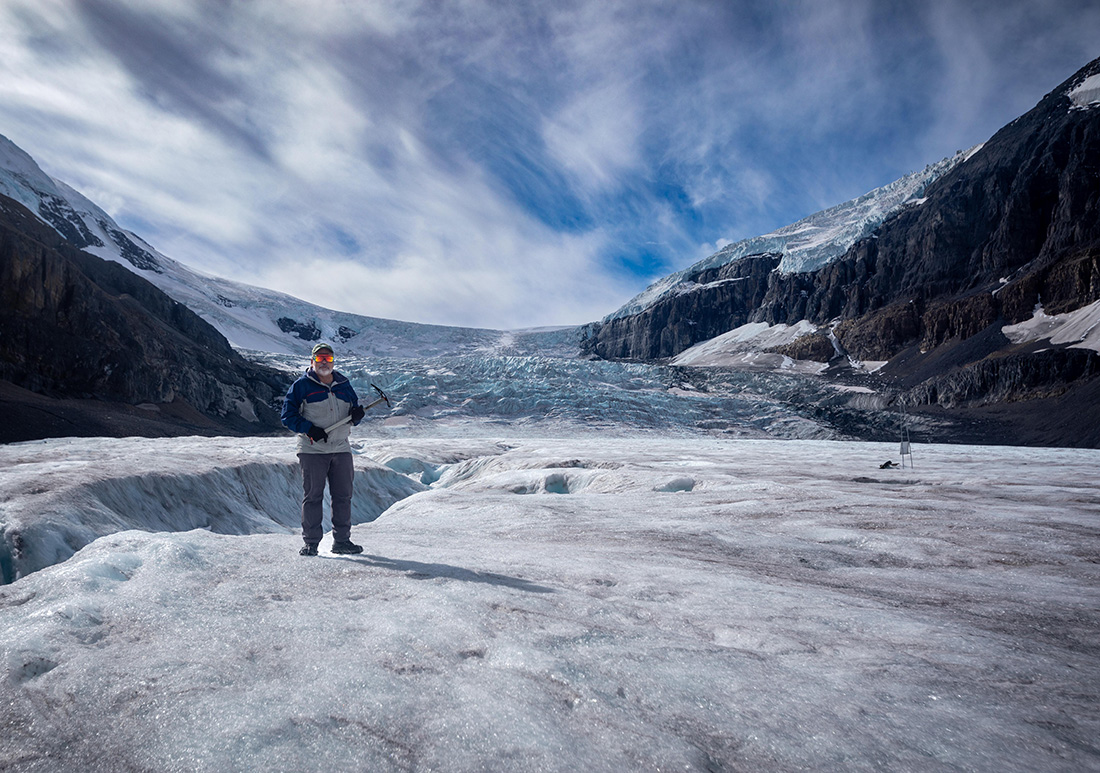
John Pomeroy: Snow, Glaciers and the Water the Prairies Live On
When we talk about clean water, most of us start at the tap. John Pomeroy starts much higher, with the snow on a prairie field and the glaciers at the head of our rivers. He has spent decades measuring where that water comes from and how fast it is changing, and he still believes people can manage it well.
Brave Blue World
Liam Neeson-narrated, filmed across five continents — this is the quiet hopeful counterweight to the doomscroll. It profiles the scientists, engineers, and communities actually rebuilding the global water system, and it refuses to be either naive or nihilistic. Amplifying it because the people doing this work deserve to be seen, and the film itself is a piece of public-service storytelling.

Forever Chemicals in Sludge May Taint Nearly 70M Farmland Acres — EWG 2025
EWG's 2025 analysis puts a number on what sewage-sludge fertilizer is doing to American farmland: nearly 70 million acres potentially tainted with forever chemicals. EWG is one of the few organizations willing to run the math and name the exposure pathway. This is the data point that turns an abstract PFAS story into a map of where it's ending up in the food supply.
WaterAid
They are facing the water challenges of people in situations that have no voice and need outside intervention.
Johnny Harris
Johnny Harris is one of the most skilled explanatory journalists working today — his water-crisis videos reach millions with a level of geographic and systems thinking you almost never see on YouTube. When he takes on aquifer depletion, Colorado River politics, or the Great Lakes, he makes it legible without flattening it. His voice deserves to be part of any serious water map.

Scientists issue warning after making disturbing discovery on popular beaches - The Cool Down
People are being lulled into a false sense of security that plastic pollution is getting better. It isn't. Scientists monitoring what's washing up on beaches are finding it's getting worse, not better — the stuff thrown away 40 years ago is still out there, and it's being added to daily.
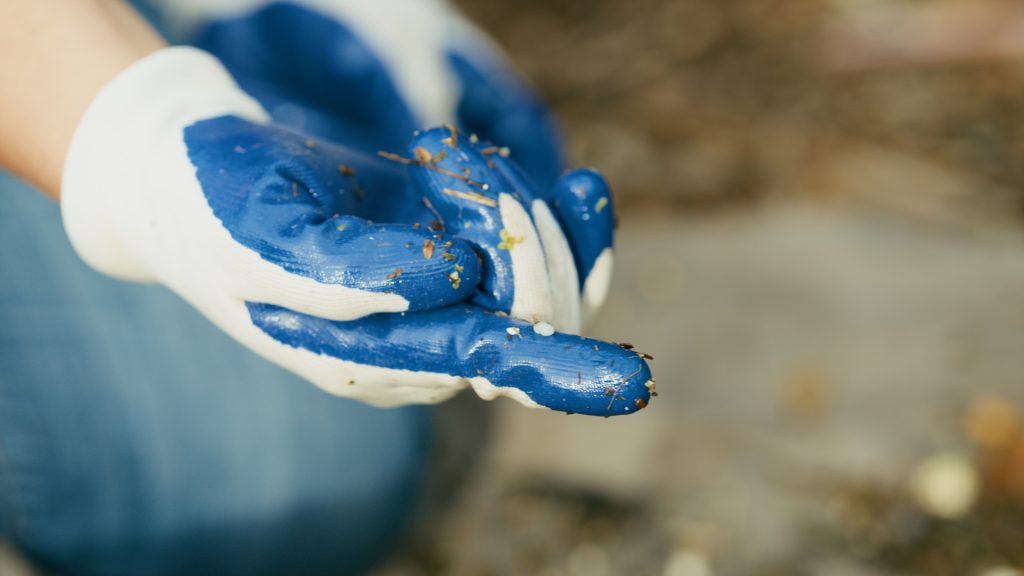
Sustainable Film Series explores plastic pollution | VailDaily.com
The Vail Daily Sustainable Film Series is one of those small-town efforts doing big work — programming documentary after documentary on plastic pollution and pulling mountain communities into conversations most news cycles never carry. Local film series like this one are where long-form water journalism still reaches neighbors face to face. Worth following for anyone tracking how these issues land in real communities.
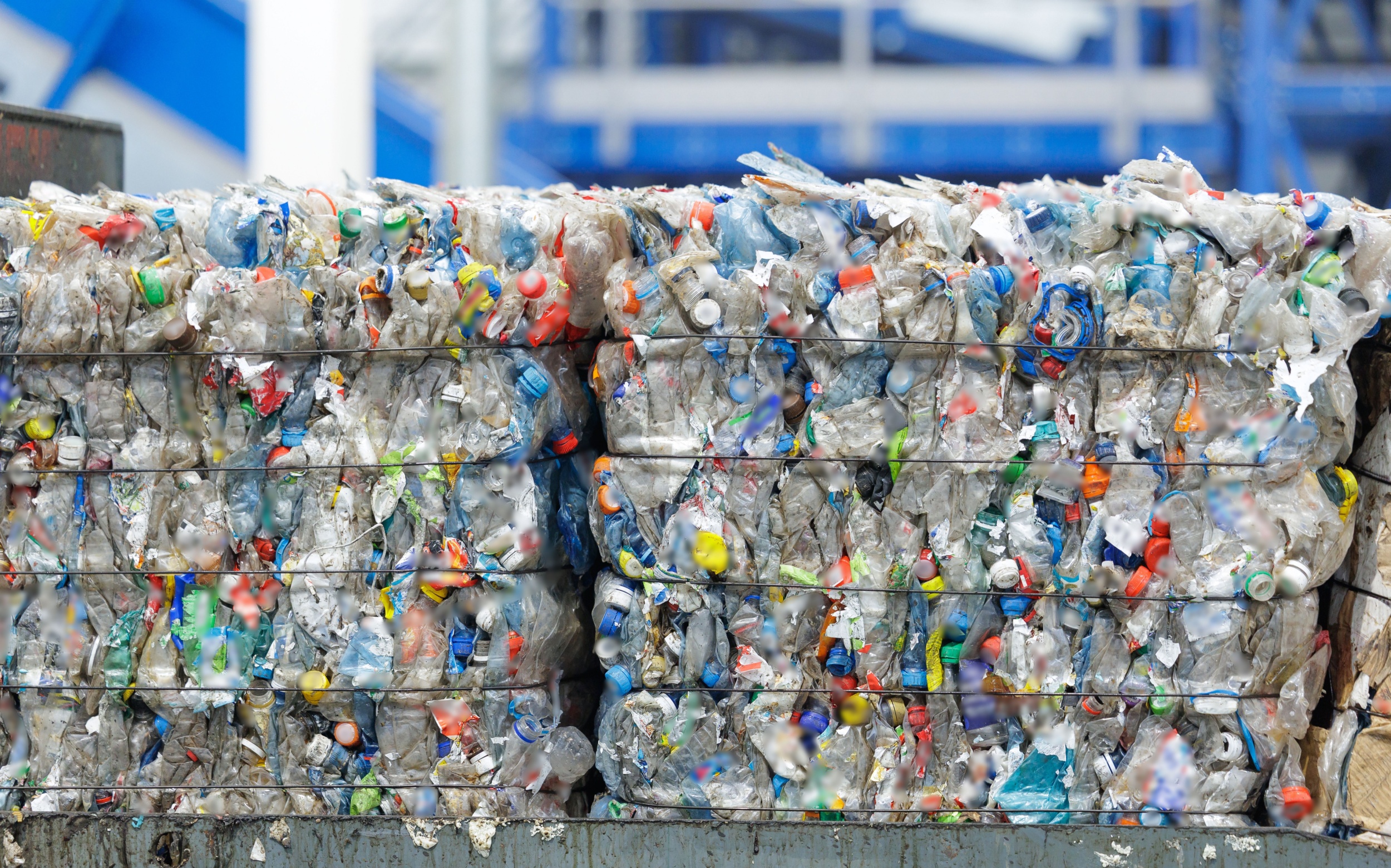
How sunlight can transform plastic waste into vinegar - Earth.com
An important and underreported story. Plastic waste is creating pH transformations in lakes, oceans, rivers, and groundwater — and pH corruption destroys the ability to grow anything. Earth.com is a strong voice to amplify on this topic.
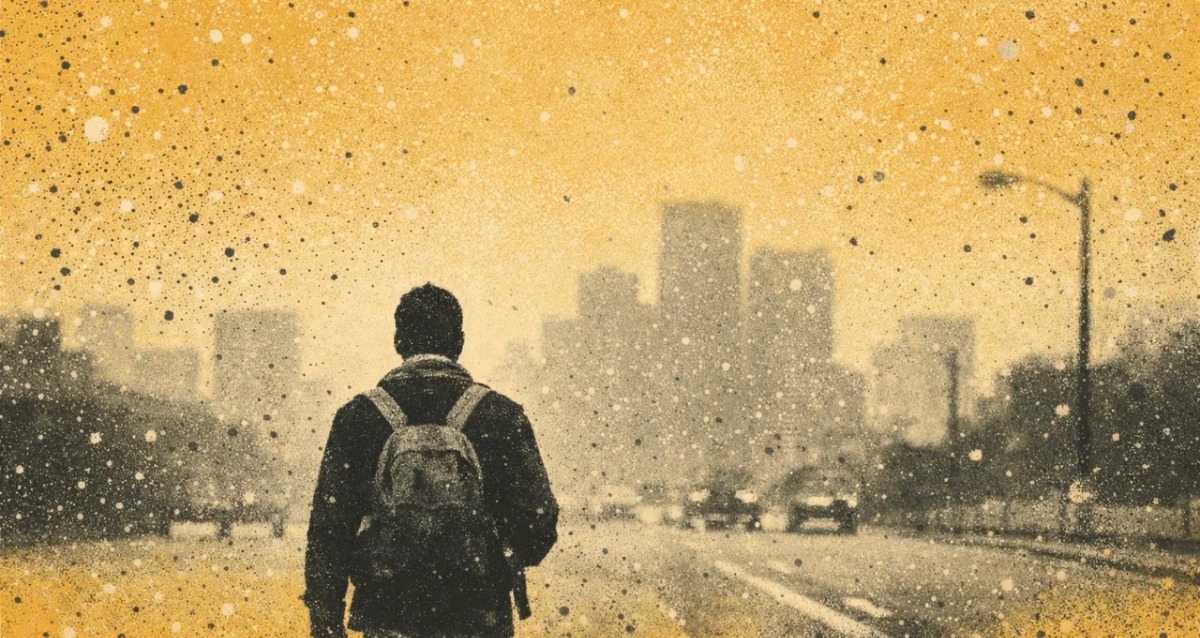
Shocking: Microplastics in Big-City Air Are Dozens of Times More Abundant Than Expected
You're not just drinking it — you're breathing it. Microplastics are now in the air of every major city at concentrations that were supposed to be impossible. This is what happens when ocean plastic reaches its final form. There is no outside.
EU warned that unequal pollution progress threatens 2030 health, green goals - The Brussels Times
The people with political power to clean up live far enough from the pollution to pretend things are getting better. This piece tracks the gap between the EU's stated 2030 goals and the reality on the ground — for communities already drinking contaminated water.
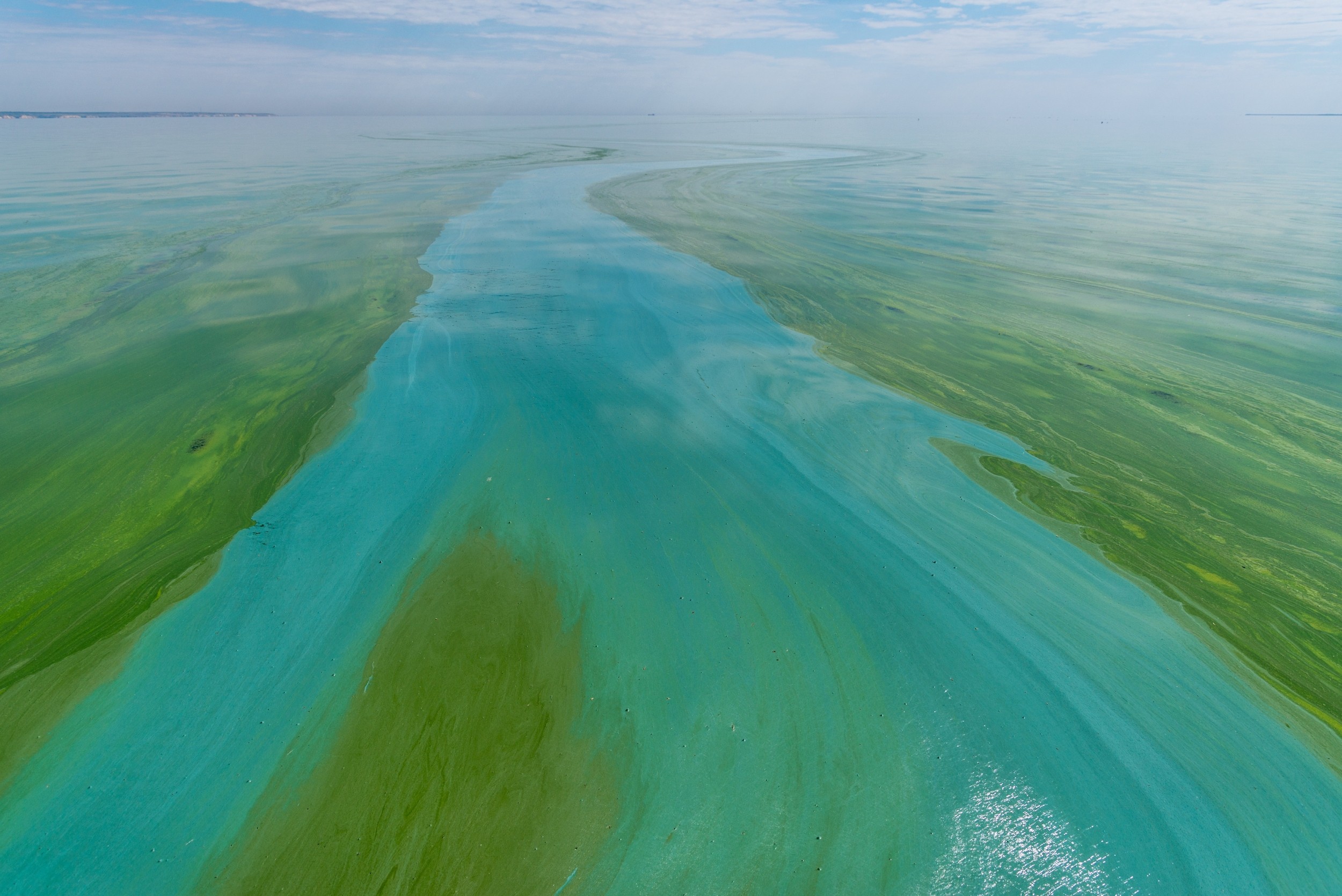
Plastic pollution may be supercharging algae blooms - Earth.com
A double-edged story. Microplastics are increasing temperatures and algae mass, choking out ocean life — blooms now appearing in unprecedented locations for the first time in recorded history. But there's a good news side: new microbes emerging in deep ocean algae buildups are beginning to eat plastic. The good news story needs to be found and attached to this source.
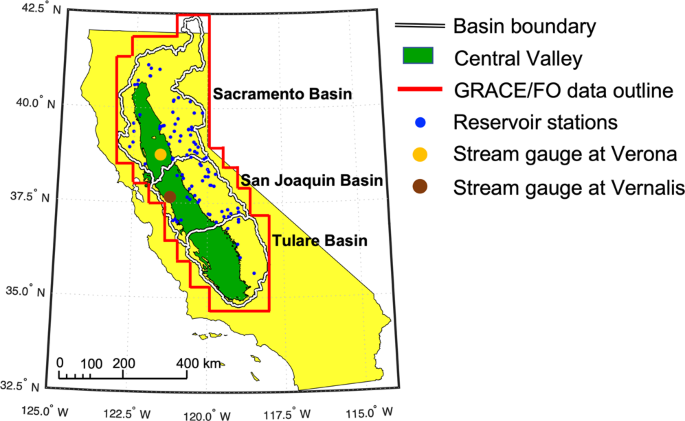
California Drought: Aquifer Depletion Accelerates
California's Central Valley — the food system for the entire country — is drawing down groundwater that took hundreds of thousands of years to fill. Glen has said it plainly: groundwater is not a renewable resource. This is what happens when nobody believes that.
Clean Water Crisis in Flint Continues
A story that should never fade away. A deeply impoverished community still dealing with lead and chemical contamination in their water supply — government said it was over, it isn't. A reminder that the rot is always at the center, and the people with the least power are always the first to drink the poison.

Flint Water Crisis: Ongoing Justice
The word "ongoing" is doing a lot of work here. Flint's pipes were replaced. The mayor moved on. The cameras left. But the children who drank that lead water are still living with the neurological damage. The rot at the center doesn't clean itself up when the headlines stop.