
Current 03 of 03 · curated by Glen Kerby
Health
What the tap does in a body when the pipe or the bottle failed. Evidence first; the household step last.
The sequence in the order Glen would read them
Mamavation
Covers the devastating reality of microplastic and forever chemical buildups in breast milk, and the introduction of nano and microplastics into baby formula through plastic-lined bottles — sometimes pushing a million microplastic particles into a baby during their development years. An absolute mess that needs to be talked about.
Harvard: Hydration and Cognitive Performance
Harvard name provides scientific credibility. Core citation for brain health angle.
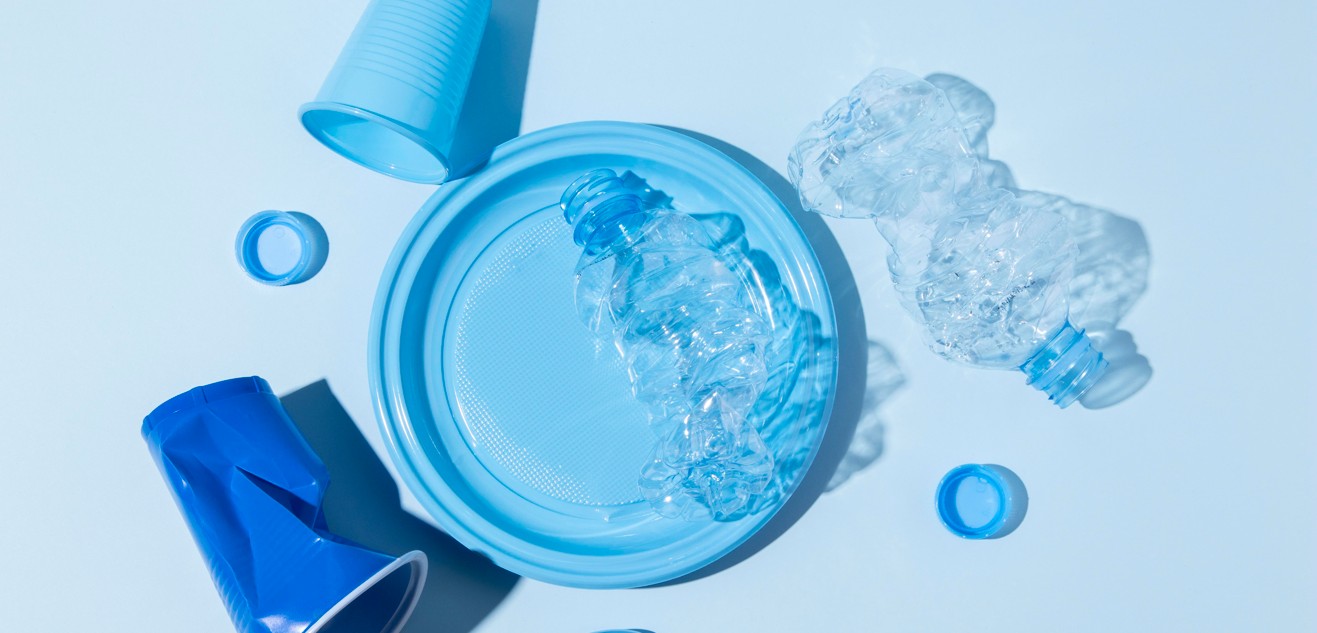
Microplastics found in 90 per cent of prostate tumours, study reveals
Not just in the blood. Not just in the brain. Now in tumors — in the tissue of active cancers. The accumulation hypothesis just got clinical. The question is no longer whether microplastics are harmful. It's how far the damage has already reached.
Blue Mind: The Science of Water and Wellbeing
A deeper dive into how water heals people in mind, body, and spirit. We have connected a preview of the audio book, enjoy the message
Also in Health newest first
Abul Hussam: How a Bucket Filter Pulls Arsenic From Well Water
I chose Abul Hussam because the first well he tested was his own family's. He measured the water, understood the ground the arsenic comes from, and built a filter from sand, charcoal, brick and iron that people can make close to home. He is honest about its limits too: safe sources come first, and a household filter matters most where arsenic-free water isn't available yet. That is the lesson I want on this page.
Jack Sim: After You Flush, Where Does It Go?
I chose Jack Sim because he asks the question most of us skip: after you flush, where does it go? A toilet is the start of the job, not the end. The pit has to be built and placed right, emptied safely, the waste treated, and local people need the skills to keep it running. When that whole chain holds, the well stays clean. That is the lesson I want on this page.
Bindeshwar Pathak: The Two-Pit Toilet That Needs No Sewer
I chose Bindeshwar Pathak because his toilet is a water system lesson in one design. It needs no sewer and very little water, it keeps waste out of wells, and the two pits take turns so the waste digests into something safe before anyone touches it. Sanitation is water infrastructure. That is the lesson I want on this page.
Catherine Coleman Flowers: What Happens After the Flush, and Why the Soil Decides
I chose Catherine Coleman Flowers because she takes us to the part of the water system most of us never think about: what happens after the flush. A septic system only works when the soil can do the cleaning, and in Lowndes County the clay holds water and the water table sits high. Match the system to the soil, and build something families can maintain. That is the lesson I want on this page.
Ashok Gadgil: Light Over Flowing Water, and Water Communities Can Keep Running
I chose Ashok Gadgil because of the problem he set himself. Not the cleverest answer, the one the poorest village could keep running. He hung a lamp over flowing water, and later he named why so much donated equipment ends up in a technology graveyard. Water people can afford, run and repair themselves keeps flowing, and that is the lesson I want on this page.

Dr. Rita Colwell: The Folded Sari Cloth That Filtered Cholera From Village Water
I chose Dr. Colwell's work because the answer was already in the house. Nobody shipped in a machine. A cloth families already owned, and a habit they already had, was tested carefully and shown to help. That is community-held water safety, and it belongs in this library.
Dr. Aviva Romm
A hero story about how one person can make an incredible difference to help give a voice to those who do not have one.
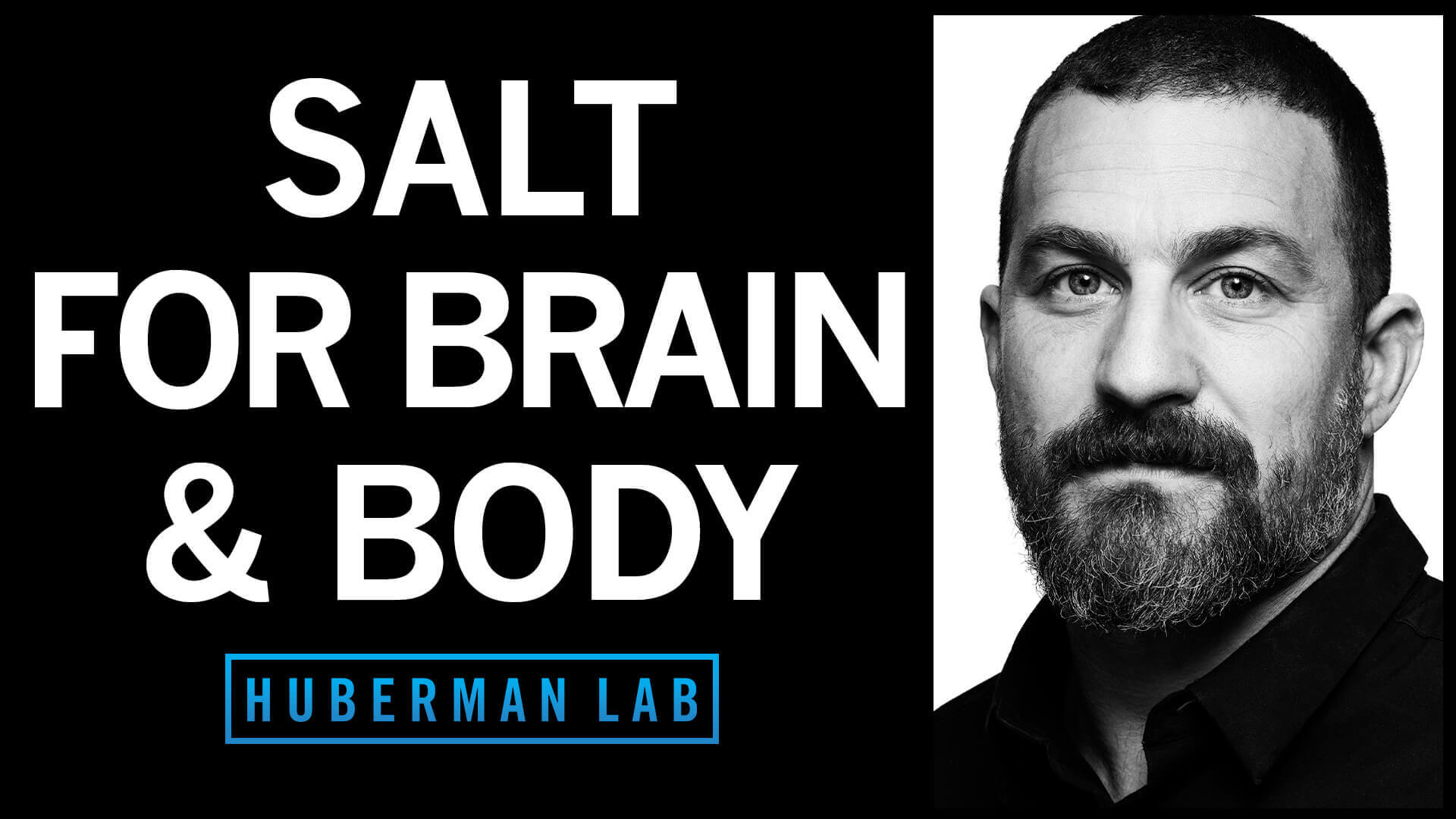
Why Your Brain Needs Minerals to Function Properly
Huberman neurotransmitters + minerals episode backbone. WaterX North crossover content.
Fluoride Exposure and Children's IQ — JAMA Pediatrics Meta-Analysis 2025
JAMA Pediatrics published the 2025 meta-analysis that finally pulled together decades of fluoride-exposure research in children and found a consistent association with lower IQ scores. Peer-reviewed, top-tier journal, careful methodology — this is the citation that should be in every parent's hands when the fluoridation debate comes up at their kid's school board or dentist's office.
Baby Formula and Fluoridated Water — CDC Warning
The CDC says parents mixing formula with fluoridated tap water may be giving infants more fluoride than is safe for developing teeth and neurological tissue. It's not a fringe position — it's federal guidance that most pediatricians aren't surfacing.
Dr. Rodney Habib — Planet Paws
Great focus on pet health and the new issues of chemical and microplastic reaching pets and increasing cancer and other disease that threatens pet life. This is also an insight into risks for their human owners.

Dr. Karen Becker
This is an important story for Pet Owners to be aware of. We love our pets and we need to protect them.
Erin Brockovich: Hinkley's Groundwater and the Work That Followed
I chose Erin Brockovich because her story didn't end with a court case, and neither did the water work in Hinkley. What I respect is how she keeps pointing back to the people who drink the water, because they often notice first. Her book says it plainly: Superman isn't coming. I read that as an invitation for all of us.
First Direct Evidence of Microplastics in Human Blood
Landmark study shifting microplastics from environmental concern to direct human health crisis.

CDC National Survey: Drinking Water Contaminant Occurrence Across US Public Systems
Authoritative government source documenting contamination scale. Foundation citation for all contamination claims.
Over 650,000 water bottles recalled - MSN
When the "safe alternative" gets recalled for contamination, the story tells itself. This MSN report covers the recall of more than 650,000 water bottles and what was actually found inside them. It's a reminder that the label on the bottle is not the same thing as what's in the bottle.

A novel methodology to study the release of fragmented fibres, including microplastics, in ... - Nature
The methodology matters here. This research introduced a way to measure microplastic release from textiles and fibers that finally gives us numbers we can compare. When you see headlines about millions of particles per wash cycle — this is the science behind it.
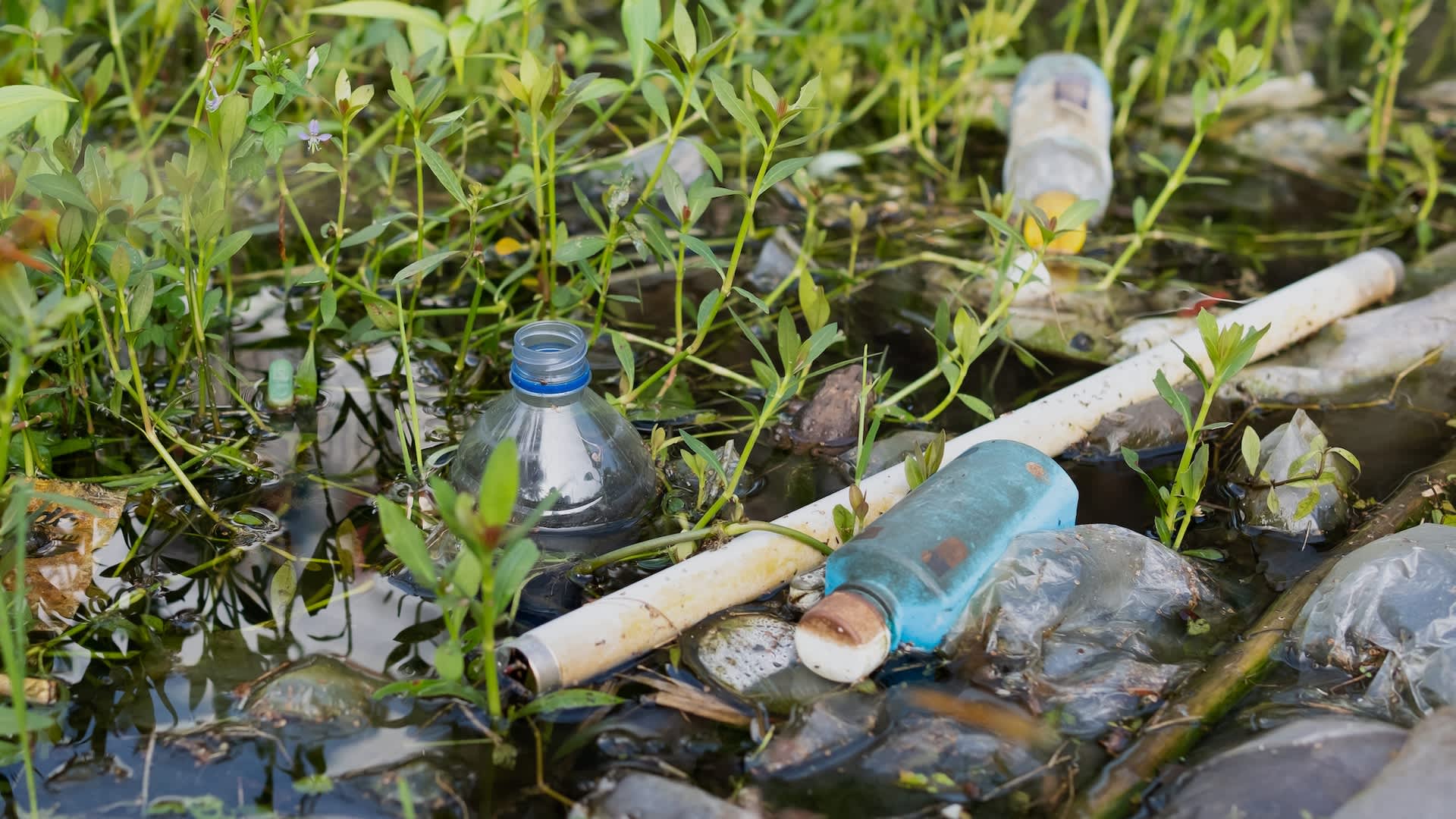
Scientists issue warning about invisible hazard in plastic water bottles - The Cool Down
Microbubbles eroding off plastic bottle walls — not just BPA leaching, but physical particles fragmenting every time you squeeze the bottle. This study reframed plastic exposure from "what's in the water" to "what comes off the container."
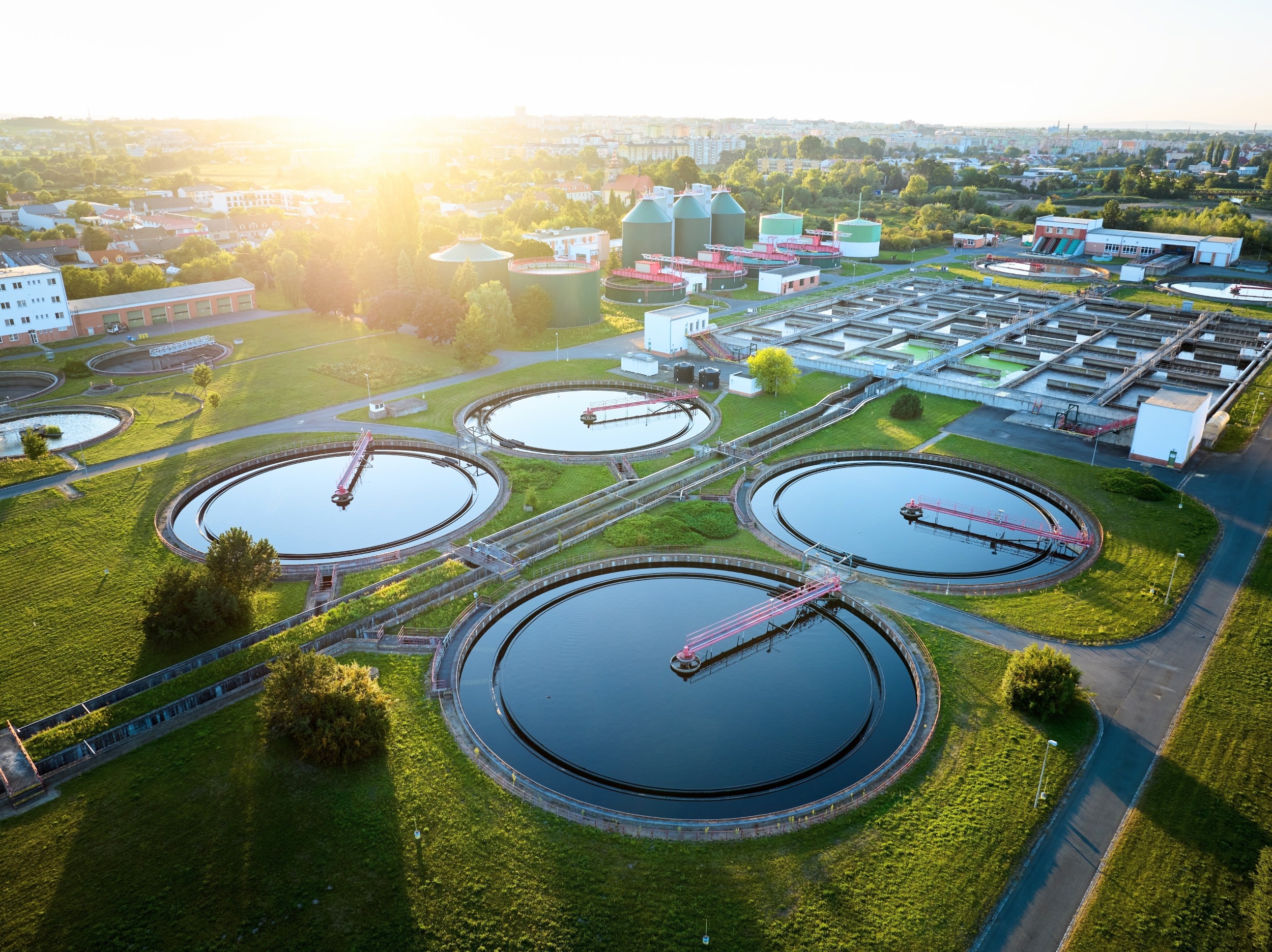
Nanoplastics could make drinking water harder to keep safe - Earth.com
Nanoplastics are the next layer of the problem. Smaller than microplastics — small enough to cross the blood-brain barrier — and they appear to interfere with the filtration and treatment processes we use to clean municipal water. The system that's supposed to protect us can't catch them.
If you want a household next step
Ask Glen what is in your tap.
Tell him where you are and what you are watching for. He reads every one himself and answers by email. Nothing is sold on this page; the kit conversation happens only if you ask for it.
Already have a kit? Open the setup vault →