Primary source rightlivelihood.org
Open the original on rightlivelihood.orgIn short the story, from rightlivelihood.org
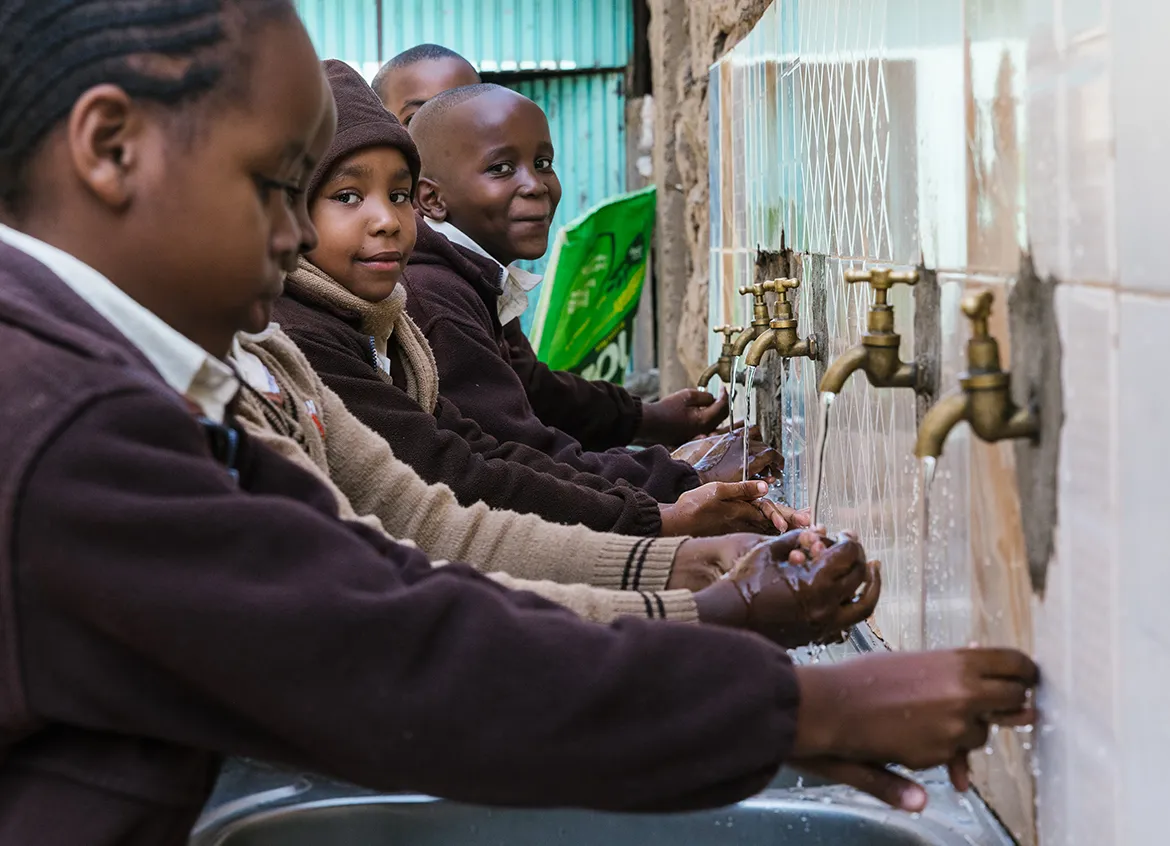
The right: on 28 July 2010 the UN General Assembly adopted resolution 64/292, which "recognizes the right to safe and clean drinking water and sanitation as a human right that is essential for the full enjoyment of life and all human rights" (UN, A/RES/64/292). Maude Barlow, named the UN's first senior adviser on water in 2008, led the campaign for it (CBC News, Oct 21 2008; Right Livelihood). Source · rightlivelihood.org
The delivery plan: the same resolution "calls upon States and international organizations to provide financial resources, capacity-building and technology transfer, through international assistance and cooperation, in particular to developing countries, in order to scale up efforts to provide safe, clean, accessible and affordable drinking water and sanitation for all" (A/RES/64/292, paragraph 2). Source · rightlivelihood.org
The duty: the UN Human Rights Council "emphasised that it was the government's responsibility to ensure drinking water and sanitation". Barlow says "almost 50 countries" have since added the right to their constitutions or passed separate laws (Right Livelihood, 2023). Source · rightlivelihood.org
The gap: 2.2 billion people still drink contaminated water daily (Right Livelihood, 2023). In Barlow's words, "if there's no clean water, and there's no facility for sanitation, then it's kind of an empty promise." Source · rightlivelihood.org
On technology: "There may be some ways it's going to help us, but saving water is going to be through good, decent regulation." And: "local communities must have a huge say in what happens to local water sources" (Right Livelihood, 2023). Source · rightlivelihood.org
At town scale: the Council of Canadians, the Blue Planet Project and CUPE started Blue Communities in 2009. A Blue Community recognizes water and sanitation as human rights, bans or phases out bottled water in municipal facilities and at municipal events, and promotes publicly financed, owned and operated water services. Paris and Bern have gone "blue" (Council of Canadians). Source · rightlivelihood.org
Our guide: Maude Barlow, "Water is a commons, a public trust and a human right" (CBC News, 2008). Source · rightlivelihood.org
The read Glen’s take, in his words
"You can have all the human rights you want," Maude Barlow said, "but if there's no clean water, and there's no facility for sanitation, then it's kind of an empty promise." Put plainly, a right only matters when it comes out of the tap.
I'm Glen Kerby. This one is about the distance between a right and a tap.
On July twenty eighth, twenty ten, the United Nations General Assembly adopted resolution sixty four two ninety two. It recognizes safe and clean drinking water and sanitation as "a human right that is essential for the full enjoyment of life and all human rights." Barlow, named the UN's first senior adviser on water, led the campaign for it. Right Livelihood noted in twenty twenty three that two point two billion people still drink contaminated water every day. So the right is on paper. For a lot of people, the water still isn't in the tap.
The part people skip is the next line. It calls on states and international organizations to provide "financial resources, capacity-building and technology transfer," especially to developing countries, to scale up "safe, clean, accessible and affordable drinking water and sanitation for all." That's a delivery plan. Money, skills, and technology, moving through international cooperation to the places that need them most. A right without that is a sentence. A right with it is a pipe, a pump, a treatment plant, and someone trained to keep them running.
Later, the UN Human Rights Council put that duty on governments. Barlow says almost fifty countries have since put the right in their constitutions or laws.
She's clear about where technology fits. "There may be some ways it's going to help us," she said, "but saving water is going to be through good, decent regulation."
And she brings it down to the street. In two thousand nine, the Council of Canadians, the Blue Planet Project and CUPE started Blue Communities. A town recognizes water and sanitation as human rights, phases out bottled water at municipal events, and keeps water services public. Paris and Bern have gone blue. That's the right at the scale of a town council. You can see it at the next public meeting.
"Water is a commons, a public trust and a human right," she said. And "local communities must have a huge say in what happens to local water sources."
I build water technology, so I hear her line about regulation as a challenge, not an insult. The best machine in the world doesn't help a family if no one is responsible for getting it to them, and keeping it working.
The technology exists. Now the law exists. What turns it into water is a plan that reaches every home.
This is why we're making space for Maude Barlow in the I Drink Living Water Research Library.
Questions answered from this page
What is this story about?
The right: on 28 July 2010 the UN General Assembly adopted resolution 64/292, which "recognizes the right to safe and clean drinking water and sanitation as a human right that is essential for the full enjoyment of life and all human rights" (UN, A/RES/64/292). Maude Barlow, named the UN's first senior adviser on water in 2008, led the campaign for it (CBC News, Oct 21 2008; Right Livelihood).
Why did Glen Kerby choose this story?
I chose Maude Barlow because a right only matters when it comes out of the tap. I build water technology, so I hear her line about regulation as a challenge, not an insult. The technology exists.
Where can I read the original?
It was published by rightlivelihood.org as “Maude Barlow: Tackling the water crisis is the only way to safeguard people and the planet”, at https://rightlivelihood.org/news/maude-barlow-tackling-the-water-crisis-is-the-only-way-to-safeguard-people-and-the-planet/.
Go to the source their work, in full
“Maude Barlow: Tackling the water crisis is the only way to safeguard people and the planet”
Published by rightlivelihood.org. Read it where it was reported.